
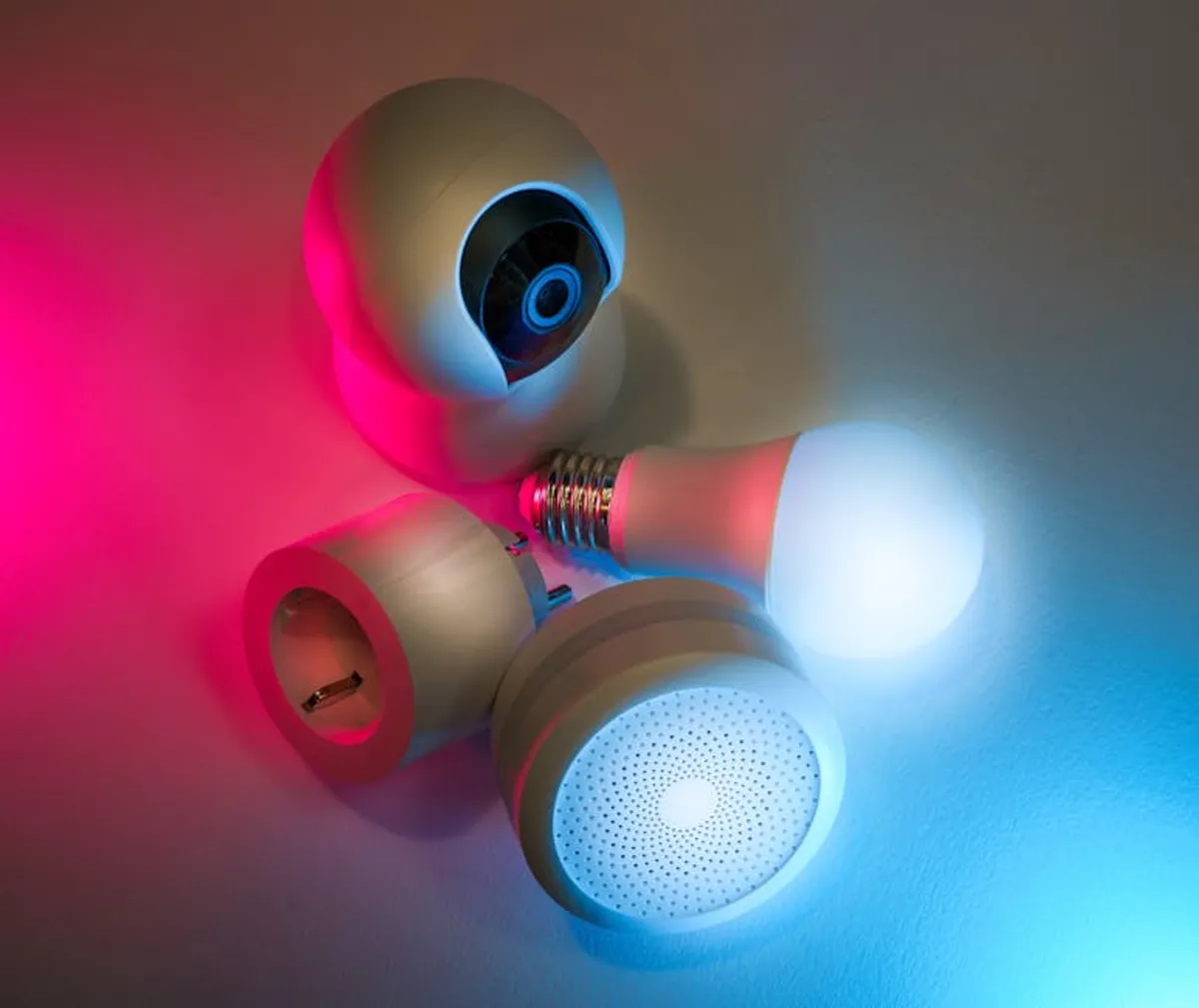
Smart home devices have evolved beyond novelty gadgets, transitioning into practical tools that fundamentally reshape daily living by automating tasks, enhancing security, and optimizing resource use. The core value proposition of these technologies lies in their ability to reduce cognitive load and streamline household operations, ultimately freeing up time and mental energy. For homeowners and renters seeking tangible efficiencies, selecting the right smart devices means identifying specific pain points in their routines and applying targeted solutions that integrate seamlessly into their existing environment. This evolution means homeowners and renters can now find many useful tech devices for home that genuinely improve daily routines.
Automating Routine Tasks for Daily Efficiency
The most immediate benefit of smart home technology often manifests in the automation of repetitive daily actions. Devices in this category aim to manage environmental controls and lighting without constant manual intervention, contributing to both comfort and energy conservation.
- Smart Lighting Systems: These systems allow for scheduling lights to turn on or off at specific times, adjusting brightness and color temperature, or even responding to motion detection. For instance, lights can gradually brighten in the morning as a natural alarm or dim automatically when a room is unoccupied. This eliminates the need to manually flip switches throughout the day, reducing energy waste from forgotten lights and enhancing home security by simulating occupancy.
- Smart Thermostats: Learning thermostats adapt to household patterns, adjusting temperatures based on occupancy, time of day, and even local weather forecasts. They can be controlled remotely via a smartphone, allowing users to pre-cool or pre-heat a home before arrival. The primary commercial benefit is reduced energy consumption for heating and cooling, often leading to measurable savings on utility bills by avoiding unnecessary climate control when the home is empty.
- Motorized Smart Blinds and Shades: Integrating window coverings into a smart home system provides automated light and privacy control. These devices can be programmed to open with the sunrise, close during peak sunlight hours to reduce heat gain, or lower at dusk for privacy. This automation not only saves time but also protects furniture from UV damage and contributes to indoor climate regulation, reducing the workload on HVAC systems.
Enhancing Home Security and Peace of Mind
Security-focused smart devices offer continuous monitoring and control, providing homeowners with real-time awareness and the ability to respond to potential threats remotely. This layer of vigilance translates directly into increased peace of mind.
Smart Security Cameras: These cameras provide live video feeds accessible from anywhere via a smartphone or computer. Many models include features like motion detection alerts, two-way audio communication, and local or cloud storage for recorded footage. Their value lies in deterring intruders, monitoring deliveries, and checking in on pets or children, offering constant surveillance without requiring physical presence.
Smart Locks: Replacing traditional deadbolts, smart locks enable keyless entry via passcodes, fingerprint recognition, or smartphone control. They allow users to grant temporary access to guests or service providers remotely and receive notifications when doors are locked or unlocked. This eliminates concerns about lost keys and provides a detailed log of who enters and exits the property.
Door and Window Sensors: These small, discreet sensors detect when a door or window is opened or closed, sending instant alerts to a connected device. They serve as an early warning system for unauthorized access and can be integrated with other smart home routines, such as turning on lights or triggering an alarm when a breach is detected.
Pro Tip: When building a smart home ecosystem, prioritize devices that operate on open standards or are explicitly compatible with a chosen central hub or voice assistant platform. This approach minimizes app clutter and ensures devices can communicate and automate routines across different manufacturers, creating a truly integrated and convenient experience rather than a collection of isolated gadgets. Prioritizing open standards and compatibility is a key part of setting up your smart home safely and efficiently.
Simplifying Household Chores and Maintenance
Certain smart home devices directly tackle the most time-consuming and often disliked household chores, automating them to free up personal time.
Robot Vacuums and Mops: These autonomous devices navigate homes, cleaning floors according to schedules or on demand. Advanced models feature mapping capabilities, allowing users to define no-go zones or target specific rooms. The commercial benefit is clear: consistent floor cleaning without manual effort, maintaining a tidy home with minimal intervention.
Smart Kitchen Appliances: From coffee makers that brew on a schedule to ovens that can be preheated remotely, smart kitchen appliances reduce preparation time and add convenience. A smart slow cooker, for example, can be started or adjusted from the office, ensuring a meal is ready upon arrival home. This streamlines meal preparation and reduces daily kitchen management tasks.
Optimizing Energy Consumption and Resource Management
Beyond convenience, smart home devices offer tangible benefits in managing and reducing household energy and resource consumption, leading to long-term cost savings.
Smart Plugs: These simple devices turn any traditional appliance into a smart one, allowing users to control power remotely and schedule on/off times. They are particularly effective for eliminating "vampire drain" from electronics that consume power even when turned off, offering an easy way to manage energy use for non-smart devices.
Smart Water Leak Detectors: Placed near water heaters, sinks, or washing machines, these sensors alert homeowners to leaks early, preventing potentially costly water damage and excessive water waste. Early detection can save thousands in repairs and reduce insurance claims.
Building Your Streamlined Home Ecosystem
Implementing smart home devices effectively involves identifying specific areas where automation can provide the most significant benefit. Begin by addressing recurring inconveniences or tasks that consume valuable time. Prioritize devices that offer clear, measurable improvements in comfort, security, or efficiency. Consider the interoperability of devices to ensure they can communicate and function together as a cohesive system, rather than operating as isolated components. A phased approach, starting with a few key devices and gradually expanding, allows for a better understanding of how these technologies integrate into daily life and deliver on their promise of making life easier.
Frequently Asked Questions
What are the essential smart home devices to start with?
For most users, a smart speaker or display, a smart thermostat, and smart lighting are excellent starting points. These devices offer immediate and noticeable improvements in convenience and energy management without requiring extensive setup.
How do smart home devices save money?
Smart devices primarily save money through optimized energy consumption. Smart thermostats reduce heating/cooling waste, smart plugs cut standby power, and smart water leak detectors prevent costly damage. These efficiencies can lead to lower utility bills and reduced repair expenses.
Is smart home technology secure?
While no system is entirely impervious, reputable smart home devices employ encryption and security protocols to protect data. Users should always use strong, unique passwords, enable two-factor authentication, and keep device firmware updated to maintain optimal security.
Do I need a central hub for my smart home devices?
Many modern smart devices can operate independently or connect directly to Wi-Fi. However, a central hub or a robust smart speaker/display often improves interoperability, simplifies control, and enables more complex automation routines across different brands and device types.