The smartwatch market is saturated with devices promising comprehensive functionality, often leading to decision paralysis for prospective buyers. Instead of focusing on the sheer quantity of features, a more effective approach involves identifying which capabilities genuinely contribute to daily utility, health management, and seamless integration into a user's lifestyle. This article dissects the core smartwatch features that offer the most significant impact, helping to differentiate essential components from marketing noise.
Prioritizing Health and Fitness Tracking Capabilities
For many users, a smartwatch serves as a primary health and fitness companion. The value here lies not just in data collection, but in actionable insights and accuracy. Basic step counting and calorie burn estimates are standard, but advanced models offer more granular data critical for specific health objectives or medical oversight.
Heart Rate Monitoring
Continuous heart rate tracking provides a baseline understanding of cardiovascular health and exercise intensity. Optical sensors, now standard, offer real-time data during workouts and throughout the day. More advanced photoplethysmography (PPG) sensors provide greater accuracy, particularly during varied activities. The utility extends beyond fitness, identifying unusual resting heart rates that could indicate underlying issues.
Blood Oxygen (SpO2) and Electrocardiogram (ECG)
SpO2 monitoring measures blood oxygen saturation, offering insights into respiratory health and sleep quality. This feature is particularly valuable for individuals with sleep apnea or those engaging in high-altitude activities. ECG capabilities, on the other hand, detect signs of atrial fibrillation (AFib), a common form of irregular heart rhythm. While not a diagnostic tool, an on-demand ECG can prompt users to seek medical attention for potential cardiac concerns, providing a proactive layer of health monitoring.
Advanced Activity and Sleep Tracking
Beyond basic steps, look for smartwatches that differentiate between various activities (running, swimming, cycling) and provide metrics like VO2 max estimates, recovery times, and training load. GPS integration is crucial for accurate outdoor activity tracking without a phone. Sleep tracking has evolved to analyze sleep stages (REM, deep, light), sleep consistency, and disturbances, offering a holistic view of rest patterns that directly impact overall well-being and productivity.
Connectivity and Communication Essentials
A smartwatch's ability to keep you connected, even when your phone isn't readily accessible, defines a significant portion of its utility. These features reduce reliance on a smartphone for quick interactions.
LTE Cellular Connectivity
Best for: Phone-free independence during workouts or emergencies.
Integrated LTE allows a smartwatch to make calls, send texts, stream music, and use apps without a paired smartphone nearby. This is especially useful for runners who prefer not to carry a phone, or for safety in situations where a phone might be impractical or lost. The cost typically involves an additional monthly fee from your carrier, so evaluate if the freedom justifies the ongoing expense.
GPS and NFC for Payments
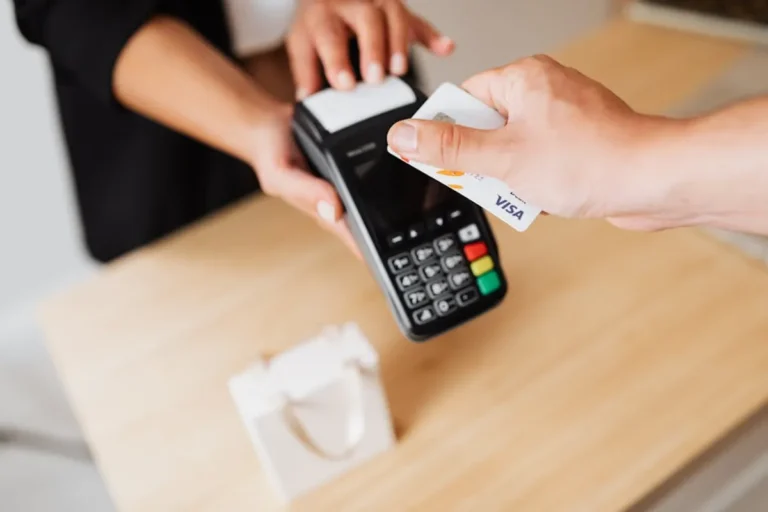
Built-in GPS is essential for accurate location tracking during outdoor activities and for navigation. It records routes, distance, and pace independently. NFC (Near Field Communication) enables contactless payments directly from the wrist. This feature offers unparalleled convenience for quick purchases, especially when you're out without your wallet or phone. Ensure compatibility with your bank or preferred payment service.
Pro Tip: When evaluating connectivity, consider your primary use cases. If your smartwatch will almost always be tethered to your phone, LTE might be an unnecessary expense. However, for true phone-free utility, it's indispensable.
Battery Life and Durability: Foundational Performance
Even the most feature-rich smartwatch becomes a paperweight if its battery dies halfway through the day or if it can't withstand daily wear and tear. These are non-negotiable considerations.
Extended Battery Life
Battery longevity directly impacts user experience. Smartwatches range from those requiring daily charging to models lasting several weeks. A device offering multi-day battery life (3-7 days) minimizes charging anxiety and supports uninterrupted sleep tracking. For advanced features like continuous GPS or LTE, battery drain is higher, so assess published battery estimates against your expected usage patterns.
Water Resistance and Screen Materials
A water resistance rating of 5 ATM (up to 50 meters) is standard for swimming and showering, protecting against accidental submersion. For more extreme water sports, look for higher ratings or specialized dive watches. Screen durability is also critical; Gorilla Glass is common, but sapphire crystal offers superior scratch resistance, making it a worthwhile upgrade for active users or those prone to accidental impacts. The casing material (aluminum, stainless steel, titanium) also contributes to overall robustness and weight.
Display Quality and User Interface
The visual and interactive elements of a smartwatch dictate how pleasant and efficient it is to use.
Display Technology and Brightness
AMOLED or OLED displays offer vibrant colors, deep blacks, and excellent contrast, making information easy to read even in bright sunlight. An "always-on" display feature, while consuming more battery, allows glanceable access to time and notifications without a wrist raise. High peak brightness (e.g., 1000+ nits) is crucial for outdoor visibility.
Intuitive User Interface and Customization
A responsive touchscreen combined with physical buttons or a rotating crown provides efficient navigation. The operating system (e.g., watchOS, Wear OS, proprietary OS) should be fluid and logically organized. Customization options, including watch faces and complications, allow users to tailor the display to show the most relevant information at a glance, enhancing personal utility.
Ecosystem Integration and App Support
The value of a smartwatch is significantly amplified by its integration with other devices and the availability of useful applications.
Platform Compatibility
Most smartwatches are optimized for either iOS or Android. Ensuring seamless compatibility with your existing smartphone is paramount for notification syncing, app integration, and data transfer. Cross-platform support is improving but often comes with feature limitations.
Third-Party App Availability
A robust app store expands the smartwatch's utility beyond its native capabilities. Key app categories include:
- Fitness & Health: Strava, MyFitnessPal, Calm
- Navigation: Google Maps, Apple Maps, dedicated hiking apps
- Productivity: Todoist, Evernote, calendar apps
- Communication: WhatsApp, Telegram, email clients
The breadth and quality of third-party apps can transform a basic timekeeper into a versatile wrist-worn computer.
Making Your Smartwatch Investment Count
Selecting a smartwatch is less about acquiring the most features and more about identifying the specific functionalities that align with your lifestyle. Prioritize health tracking if fitness is a primary goal, or focus on LTE and payment capabilities for enhanced independence. Battery life and durability are universal considerations that underpin the practicality of any device. By focusing on these core areas, buyers can make an informed decision that delivers sustained value.
Frequently Asked Questions
Is a smartwatch a necessary purchase for everyone?
No, a smartwatch is not essential for everyone. Its value is highest for individuals who actively track fitness, require frequent glanceable notifications, or benefit from phone-free connectivity and mobile payment convenience.
How important is battery life in a smartwatch?
Battery life is critically important, as it directly impacts usability and convenience. Devices requiring daily charging can be cumbersome, especially for features like continuous sleep tracking. Aim for multi-day battery life to minimize interruption.
Can a smartwatch completely replace my smartphone?
While smartwatches with LTE can handle calls, texts, and some app functions independently, they cannot fully replace a smartphone. Their smaller screens and limited input methods make them better suited for quick interactions and specific tasks rather than extensive browsing or complex communication.
What should I consider regarding data privacy with health tracking features?
Always review the manufacturer's privacy policy regarding health data collection and usage. Ensure you understand how your personal health information is stored, processed, and potentially shared, and look for devices that offer robust encryption and user control over data.