The ubiquity of smartphones has defined personal technology for the past two decades. However, as innovation matures and market saturation approaches, businesses and strategists must look beyond these devices to identify the next wave of disruptive gadgets. Understanding these emerging trends is critical for anticipating consumer behavior shifts, identifying new revenue streams, and positioning products or services for future relevance. This exploration moves beyond incremental smartphone upgrades to focus on entirely new categories of personal technology that promise to reshape daily life, work, and interaction.
The Shifting Landscape of Personal Technology
The smartphone, while still central, is evolving from a primary interaction device into a hub for an expanding ecosystem of specialized gadgets. This shift is driven by several factors: the demand for more seamless, context-aware experiences; the miniaturization of powerful sensors and processors; and the increasing emphasis on personal health, wellness, and environmental integration. Businesses should recognize this as a move towards ambient computing, where technology recedes into the background, providing utility without constant direct interaction. This creates opportunities for new hardware, software, and service models that integrate deeply into users' lives.
Wearable Technology: Beyond Smartwatches
While smartwatches have gained traction, the next generation of wearables will extend functionality into more sophisticated and integrated forms, moving beyond notifications and basic fitness tracking.
Advanced Health Monitoring and Diagnostics
Future wearables will incorporate medical-grade sensors capable of continuous, non-invasive health monitoring. This includes miniaturized ECGs, blood pressure cuffs, continuous glucose monitors, and even early disease detection systems embedded in clothing or discreet patches. The commercial implications are significant for healthcare providers, insurance companies, and pharmaceutical research, offering real-time data for personalized treatment, preventative care, and clinical trials. For consumers, these devices provide unprecedented insight into their physiological state, enabling proactive health management.
Augmented Reality (AR) Glasses and Smart Contact Lenses
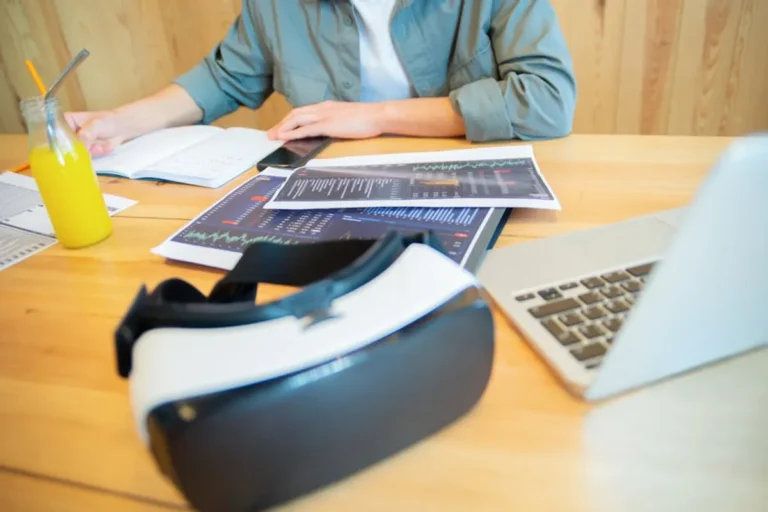
AR glasses are poised to move beyond niche applications. As form factors shrink and visual fidelity improves, these devices will overlay digital information onto the real world, creating context-aware experiences. Enterprise applications are already emerging in field service, manufacturing, and training, where technicians can receive real-time instructions or access schematics hands-free. For consumers, widespread adoption hinges on sleek design, comfortable wearability, and compelling use cases that integrate seamlessly with daily activities without being intrusive. Smart contact lenses, while further out, represent the ultimate miniaturization, offering AR capabilities directly on the eye with minimal visual obstruction.
Intelligent Home and Environment Integration
Smart home devices are evolving from isolated gadgets into interconnected, predictive systems that manage and optimize entire living spaces.
Personalized Climate and Energy Management
Beyond current smart thermostats, future home systems will integrate with localized weather data, energy grids, and occupant preferences to dynamically manage heating, cooling, lighting, and appliance usage. These systems will anticipate needs, learn patterns, and optimize for both comfort and energy efficiency, potentially interacting with smart grid technologies for demand-response programs. This creates commercial avenues for utility companies, smart appliance manufacturers, and home automation service providers focused on long-term cost savings and sustainability.
Autonomous Robotics for Domestic and Personal Use
The next wave of domestic robots will extend beyond basic vacuuming. We anticipate more sophisticated cleaning robots capable of handling diverse surfaces and tasks, companion robots for elder care or mental well-being, and even personal security drones for home monitoring. These devices will feature enhanced AI for navigation, object recognition, and human interaction, moving towards a service-based model where robots perform routine chores, freeing up human time. The commercial opportunity lies in subscription services, specialized hardware sales, and integration with existing smart home ecosystems.
Next-Generation Human-Computer Interfaces
The way humans interact with technology is set for a fundamental shift, moving beyond touchscreens and voice commands to more intuitive and direct methods.
Brain-Computer Interfaces (BCIs)
While still in early stages, BCIs represent a profound leap in human-computer interaction. Initial applications focus on assistive technologies for individuals with severe motor impairments, allowing direct control of prosthetic limbs or communication devices through thought. Long-term, BCIs could enhance productivity, entertainment, and even learning by enabling direct neural control of digital environments. Businesses should monitor advancements for ethical implications, data privacy concerns, and potential niche applications in specialized fields requiring high-precision control or hands-free operation.
Haptic Feedback and Multi-Sensory Devices
Enhancing virtual and augmented reality experiences, as well as remote work and training, will involve sophisticated haptic feedback systems. These devices move beyond simple vibrations to create realistic sensations of texture, pressure, and temperature. Imagine a surgeon training with haptic gloves that simulate the feel of tissue, or a remote worker experiencing the "weight" of a virtual object. The commercial value lies in improving immersion, realism, and effectiveness across industries from gaming and entertainment to engineering and healthcare.
Pro Tip: As gadgets become more integrated and data-rich, prioritizing robust data privacy and ethical design is not just a regulatory requirement, but a commercial imperative. Consumers will increasingly choose brands that demonstrate transparency and control over their personal information. Develop products with privacy-by-design principles from the outset.
Commercial Implications and Strategic Positioning
Businesses must adopt a forward-looking strategy to capitalize on these emerging gadget trends. This involves more than just product development; it requires a holistic view of market shifts, consumer expectations, and technological convergence.
- Investment in R&D: Allocate resources to research and development in areas like advanced sensor technology, AI, and miniaturization.
- Strategic Partnerships: Collaborate with startups and academic institutions specializing in these emerging fields to gain early access to innovation.
- Ecosystem Thinking: Design products and services that are interoperable and can integrate seamlessly with a broader ecosystem of devices and platforms.
- Data Strategy: Develop a clear strategy for collecting, analyzing, and securing the vast amounts of data these new gadgets will generate, always prioritizing user privacy.
- Talent Acquisition: Recruit specialists in areas like embedded systems, AI ethics, biometrics, and user experience design for ambient computing.
- Supply Chain Adaptation: Prepare supply chains for new component requirements and manufacturing processes that may differ significantly from current smartphone production.
Practical Forward Planning for Businesses
Navigating the post-smartphone gadget landscape requires proactive engagement. Businesses should begin by identifying which of these trends align most closely with their core competencies and target markets. Conduct thorough market research to understand specific pain points these new technologies can address for your customers. Consider developing proof-of-concept prototypes to test market viability and gather early user feedback. Focus on creating value through enhanced user experience, data-driven insights, or novel service offerings that leverage the unique capabilities of these future devices. The shift is not about replacing smartphones, but augmenting and extending personal technology into more specialized, integrated, and intelligent forms.
Frequently Asked Questions
What is meant by "ambient computing" in the context of future gadgets?
Ambient computing refers to a technological environment where devices and services seamlessly integrate into daily life, providing utility without requiring constant, explicit user interaction. Technology operates in the background, anticipating needs and responding contextually.
How will businesses monetize these new gadget categories?
Monetization strategies will extend beyond hardware sales to include subscription services for advanced features, data-driven insights, personalized content, and integration with broader service ecosystems. Enterprise solutions will focus on productivity gains and operational efficiencies.
What are the biggest challenges for widespread adoption of these future gadgets?
Key challenges include achieving mass-market affordability, ensuring seamless interoperability between devices, addressing significant data privacy and security concerns, and developing compelling, non-intrusive user experiences that justify the investment.
Should businesses focus on developing new hardware or software for these trends?
Both are critical. New hardware provides the foundation, but innovative software, AI, and robust service platforms will unlock the true potential and differentiate offerings. Many opportunities will lie in the intersection of specialized hardware and intelligent software ecosystems.