Choosing a smartwatch can feel overwhelming given the array of models, features, and price points. For beginners, the process simplifies by focusing on core needs and how a device integrates into daily life. This guide outlines the essential considerations, moving beyond marketing claims to practical utility, ensuring your first smartwatch purchase aligns with your specific requirements and expectations.
Defining Your Smartwatch Needs
Before evaluating specific models, clarify the primary purpose of your smartwatch. This foundational step narrows options significantly, preventing feature overload and unnecessary expenditure.
Purpose and Primary Use Cases
Smartwatches offer diverse functionalities, from basic notification delivery to advanced health monitoring. Identify your main intent:
- Fitness and Health Tracking: If tracking steps, heart rate, sleep patterns, or specific workouts (running, swimming, cycling) is paramount, prioritize models with accurate sensors, integrated GPS, and robust health apps. Features like ECG, blood oxygen (SpO2) monitoring, and fall detection cater to more specific health concerns.
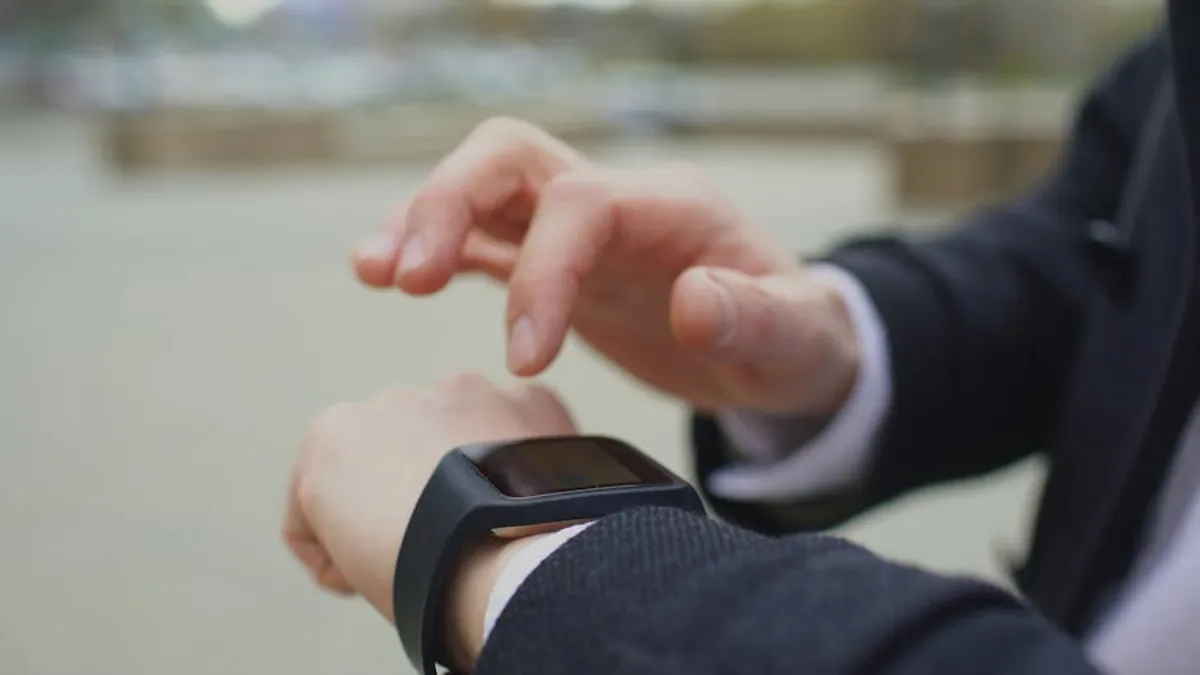
- Notifications and Communication: For staying connected without constantly checking your phone, focus on clear displays, reliable notification syncing, and the ability to respond to messages or answer calls directly from your wrist.
- Convenience and Payments: NFC for contactless payments (e.g., Google Pay, Apple Pay) and voice assistant integration (Siri, Google Assistant, Alexa) streamline daily tasks, offering quick access to information or transactions.
- Style and Personalization: Some users prioritize a device that complements their aesthetic. Consider models with interchangeable straps, customizable watch faces, and premium build materials like stainless steel or sapphire glass.
Compatibility with Your Smartphone
Smartwatch ecosystems are often tied to smartphone operating systems. This is a critical compatibility check:
- iPhone Users: Apple Watch models offer the most seamless integration with iOS, providing full functionality, app access, and device syncing. While some other smartwatches can pair with iPhones, their features may be limited.
- Android Users: Wear OS devices (from various manufacturers), Samsung Galaxy Watch models, and many fitness-focused smartwatches are designed for Android compatibility. They offer a broad range of choices with varying levels of integration.
Verifying compatibility ensures you unlock the full potential of your chosen smartwatch, avoiding frustrating limitations.
Budget Considerations
Smartwatch pricing spans a wide range, reflecting differences in features, build quality, and brand. Determine a realistic budget before exploring options:
- Entry-Level (Under $150): Typically offers basic notification alerts, step tracking, and heart rate monitoring. Battery life is often good, but advanced features like GPS or NFC might be absent.
- Mid-Range ($150-$300): Provides a balance of features, often including built-in GPS, NFC for payments, improved health tracking, and better screen quality. Many popular fitness trackers fall into this category.
- Premium ($300+): Features advanced health sensors (ECG, SpO2), cellular connectivity (LTE), premium materials, and extensive app ecosystems. These models often prioritize seamless integration with specific smartphone platforms.
Key Features to Evaluate
Once your needs and budget are clear, examine specific hardware and software capabilities that differentiate models.
Display Technology
The screen is your primary interface with the smartwatch:
- AMOLED/OLED: Offers vibrant colors, deep blacks, and excellent contrast. These displays are energy-efficient when showing dark content and often support "always-on" modes without significant battery drain.
- LCD: Generally less expensive, but colors may not be as vibrant, and blacks can appear grayish. Power consumption is higher, especially with always-on functionality.
Consider screen size and resolution for readability, particularly for notifications or detailed health metrics.
Battery Life
Battery duration varies significantly and impacts daily convenience:
- Days vs. Hours: Some fitness trackers and simpler smartwatches can last several days or even weeks on a single charge. Feature-rich smartwatches with bright displays, GPS, and cellular connectivity often require daily or bi-daily charging.
- Charging Habits: Evaluate if you're comfortable charging nightly, or if you require a device that can last through multiple days, especially for sleep tracking.
Health and Fitness Tracking
Beyond basic step counting, modern smartwatches offer sophisticated health metrics:
- Heart Rate Monitoring: Continuous tracking provides insights into resting heart rate and exercise intensity.
- GPS: Essential for accurate tracking of outdoor activities (running, cycling) without needing your phone.
- Blood Oxygen (SpO2): Measures oxygen saturation, useful for sleep analysis and altitude acclimatization.
- ECG (Electrocardiogram): Detects signs of atrial fibrillation, a serious heart rhythm irregularity.
- Sleep Tracking: Monitors sleep stages, duration, and disturbances, offering insights into sleep quality.
- Activity Tracking: Records calories burned, active minutes, and stand hours, often with reminders to move.
Connectivity
How your smartwatch connects impacts its independence from your phone:
- Bluetooth: Standard for connecting to your smartphone for notifications and data syncing.
- Wi-Fi: Allows the smartwatch to connect to known networks, enabling updates and some app functionality without a phone nearby.
- LTE/Cellular: Provides full independence, allowing calls, texts, and data usage directly from the watch, even when your phone is out of range. This typically incurs an additional monthly service fee from your carrier.
Water Resistance and Durability
Consider how the watch will withstand daily wear and tear:
- IP Ratings: Indicate dust and water resistance (e.g., IP68).
- ATM Ratings (e.g., 5 ATM): Specifies water pressure resistance, commonly indicating suitability for swimming or showering. A rating of 5 ATM or higher is generally recommended for swim-proof devices.
- Build Materials: Aluminum, stainless steel, and titanium cases offer varying levels of scratch and impact resistance. Glass types like Gorilla Glass or sapphire crystal also impact screen durability.
Payment and Voice Assistant Integration
These features enhance convenience:
- NFC (Near Field Communication): Enables contactless payments at compatible terminals.
- Voice Assistants: Access Siri, Google Assistant, or Alexa directly from your wrist for quick queries, setting timers, or controlling smart home devices.
Understanding Operating Systems
The smartwatch's operating system (OS) dictates its user interface, app availability, and overall experience. While specific brands often use proprietary OS, key players include:
- WatchOS (Apple): Exclusive to Apple Watch, known for its intuitive interface, extensive app ecosystem, and deep integration with iOS services.
- Wear OS (Google): Used by various manufacturers (e.g., Fossil, Samsung, Google Pixel Watch). Offers Google services, Play Store apps, and broad Android compatibility.
- Tizen (Samsung, transitioning to Wear OS): Samsung's older OS, praised for its fluid interface. Newer Samsung watches now use a customized Wear OS.
- Fitbit OS (Google/Fitbit): Focuses heavily on health and fitness tracking, with a simpler interface and longer battery life than many full-featured smartwatches.
- Garmin OS: Found on Garmin devices, highly specialized for sports and outdoor activities, offering advanced metrics and exceptional battery life.
Pro Tip: Consider the app ecosystem. While all smartwatches handle basic notifications, the availability of third-party apps for navigation, music streaming, or specific fitness programs can significantly enhance utility. Research app availability for your preferred OS if specific applications are crucial to your use case.
Making Your Final Choice
After evaluating your needs and feature preferences, narrow down your selection to a few models. If possible, try them on physically. Assess comfort, weight, and how easily you can navigate the interface. A smartwatch is a personal device, worn daily, so ergonomics and user experience are as important as the technical specifications. Prioritize the features that directly address your primary use cases, ensuring your investment enhances your daily routine rather than complicating it.
Frequently Asked Questions
Do I need a smartphone to use a smartwatch?
Most smartwatches require a smartphone for initial setup, data syncing, and full functionality, especially for notifications and app access. Cellular-enabled smartwatches can operate independently for calls, texts, and data, but still typically need a smartphone for setup and some app management.
How long do smartwatches typically last?
The physical lifespan of a smartwatch can range from 3 to 5 years, depending on build quality and care. Software support and battery performance tend to decline after 2-3 years, influencing the practical usability before an upgrade is considered.
Are all smartwatches water-resistant?
No. While many modern smartwatches offer some level of water resistance (e.g., splash-proof), not all are suitable for swimming or showering. Always check the specific IP or ATM rating for the model you are considering to understand its water exposure limits.
What's the difference between GPS and cellular smartwatches?
GPS smartwatches have a built-in receiver to track location and activity without needing your phone, but still rely on your phone for calls, texts, and data. Cellular (LTE) smartwatches include a cellular modem, allowing them to make calls, send texts, and use data independently of your phone, often requiring a separate service plan.