Navigating international travel often introduces a common friction point: maintaining reliable, affordable mobile connectivity. Traditional methods, such as swapping physical SIM cards or incurring exorbitant roaming fees, present significant logistical and financial hurdles. However, the integration of eSIM technology with broader mobile advancements offers a streamlined alternative, fundamentally reshaping how travelers stay connected. This approach prioritizes immediate access, cost control, and operational simplicity, transforming the pre-trip planning and on-the-ground experience for individuals and business travelers alike.
eSIM Technology: The Foundation for Seamless Connectivity
Embedded Subscriber Identity Module (eSIM) technology eliminates the need for a physical SIM card by integrating the chip directly into the device. This digital SIM allows users to activate a cellular plan from a carrier without inserting a physical card, managing multiple profiles from different providers on a single device. For travelers, this translates directly into enhanced flexibility and convenience.
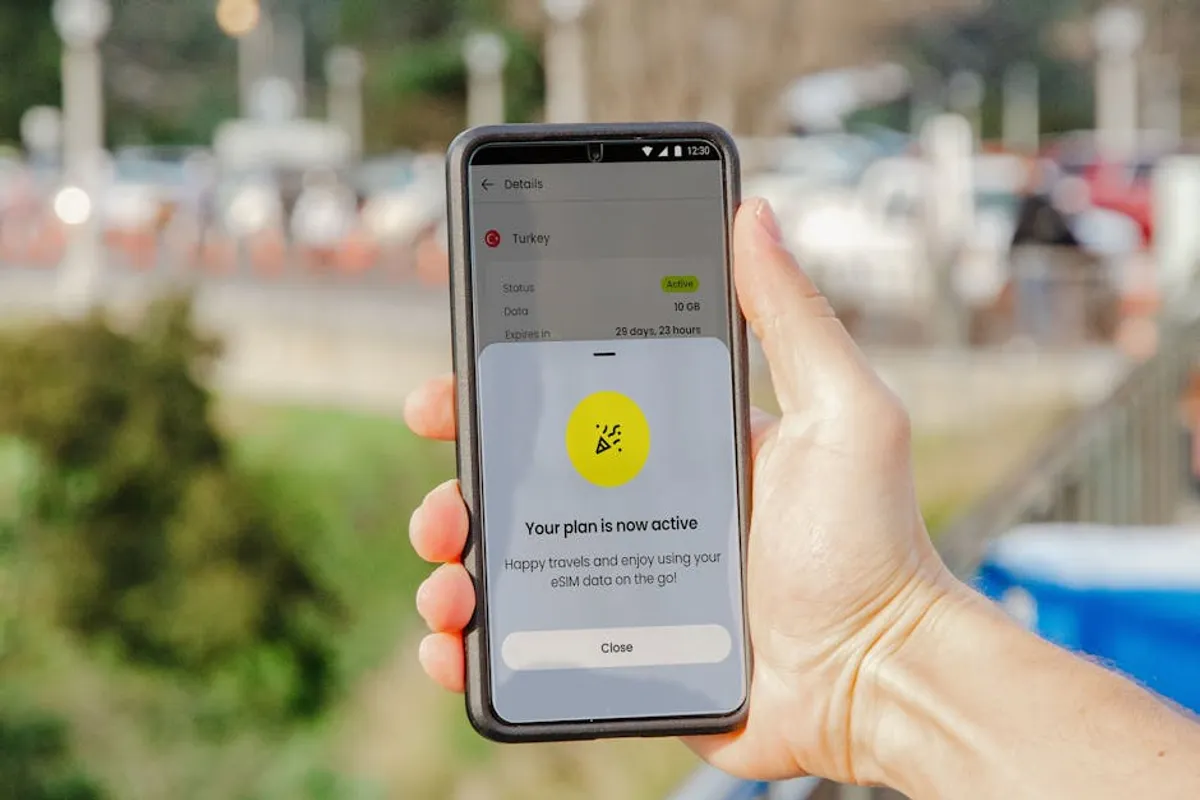
- Instant Activation and Switching: Travelers can purchase and activate local or regional data plans digitally, often before even landing at their destination. Switching between plans, such as a primary home plan and a travel-specific data plan, becomes a matter of a few taps within device settings, bypassing the search for local SIM card vendors or reliance on airport kiosks.
- Reduced Roaming Costs: By enabling easy access to local data plans, eSIMs significantly mitigate the high costs associated with international roaming. Users can select plans tailored to their specific travel duration and data needs, often at a fraction of the price of their home carrier's roaming rates.
- Dual SIM Functionality: Many eSIM-compatible devices support dual SIM capabilities, allowing users to maintain their primary phone number for calls and texts while using an eSIM for data services abroad. This ensures continuity for essential contacts without incurring international call charges on the data line.
- Enhanced Security: Without a physical card to lose or steal, eSIMs offer a marginal security benefit. Should a device be lost or stolen, the digital profile is harder to remove or misuse compared to a physical SIM.
Complementary Mobile Technologies Enhancing the Travel Experience
While eSIMs provide the core connectivity, several other mobile technologies work in concert to create a truly effortless travel experience. These tools leverage the consistent internet access provided by eSIMs to deliver real-time utility. These tools leverage the consistent internet access provided by eSIMs to deliver real-time utility, contributing to an overall effortless travel experience.
Wi-Fi Calling and Messaging Integration
With an active data connection, either via eSIM or local Wi-Fi, Wi-Fi Calling allows users to make and receive calls and send messages using their existing phone number without cellular signal. This is particularly valuable in areas with poor cellular coverage but available Wi-Fi, or when seeking to avoid per-minute international calling charges. Many messaging apps also rely solely on data, making them universally accessible with an eSIM data plan.
Advanced Travel and Productivity Applications
The utility of travel-specific applications is amplified by consistent connectivity. Navigation apps provide real-time traffic updates and route adjustments, while translation apps facilitate communication in unfamiliar languages. Ride-sharing, local public transport, and restaurant booking applications become indispensable tools for navigating new environments efficiently. For business travelers, continuous access to cloud-based documents, communication platforms, and virtual meeting tools ensures productivity remains uninterrupted.
Portable Power Solutions
Reliance on mobile devices for navigation, communication, and entertainment during travel necessitates robust power management. High-capacity power banks and multi-port charging hubs are critical accessories. These ensure that smartphones, tablets, and even portable Wi-Fi hotspots remain operational throughout long travel days, preventing connectivity disruptions due to depleted batteries.
Practical Strategies for Adopting eSIM and Mobile Tech for Travel
Maximizing the benefits of these technologies requires a strategic approach to preparation and usage.
Pre-Trip Device and Plan Assessment
Before departure, verify that your smartphone supports eSIM functionality. Most newer flagship devices from major manufacturers are compatible. Research eSIM providers that offer plans specific to your destination, comparing data allowances, validity periods, and pricing structures. Some providers offer regional or global plans, which can be advantageous for multi-country itineraries. Look for clear activation instructions and customer support options.
Managing Multiple Profiles and Data Usage
When using an eSIM, you can often store multiple profiles on your device, activating them as needed. This allows for seamless transitions between different countries or even different data providers within the same country. Regularly monitor data usage through your device settings or the eSIM provider's app to avoid unexpected overage charges or premature plan exhaustion. Set data limits on apps that consume significant bandwidth if necessary.
Pro Tip: Always download offline maps and essential translation packs for your destination before you travel. While eSIMs provide excellent connectivity, having offline resources ensures critical information remains accessible even in areas with no signal or during unexpected data outages.
Optimizing Your Mobile Travel Setup
Integrating eSIMs and complementary mobile technologies into your travel routine delivers tangible advantages, from cost savings to enhanced personal safety and convenience. By planning ahead, understanding device capabilities, and selecting appropriate data solutions, travelers can ensure a consistently connected, more efficient, and ultimately more enjoyable journey. This proactive approach minimizes traditional travel frustrations, allowing focus to remain on the travel experience itself.
Frequently Asked Questions
What devices are compatible with eSIM technology?
Most modern smartphones, tablets, and smartwatches from major manufacturers (e.g., Apple, Samsung, Google) released in the last few years support eSIM functionality. It's crucial to check your specific device model's specifications before relying on eSIM for travel.
Can I keep my existing phone number while using an eSIM abroad?
Yes, in most cases. Many eSIM-compatible devices support dual SIM functionality, allowing you to use your physical SIM for calls and texts on your home number while using an eSIM for data services in your travel destination. You can often choose which SIM to use for specific functions.
Are eSIM data plans generally more expensive than local physical SIMs?
Not necessarily. While prices vary by provider and region, eSIM data plans are often competitively priced, especially when considering the convenience of instant activation and avoiding the search for local vendors. They frequently offer better value than traditional international roaming from home carriers.
What happens if my phone is lost or stolen with an eSIM activated?
If your device is lost or stolen, contact your eSIM provider immediately to suspend or deactivate your eSIM profile, similar to how you would report a lost physical SIM. The digital nature of eSIMs can offer a slight security advantage as the profile is embedded and not easily removed or swapped like a physical card.