
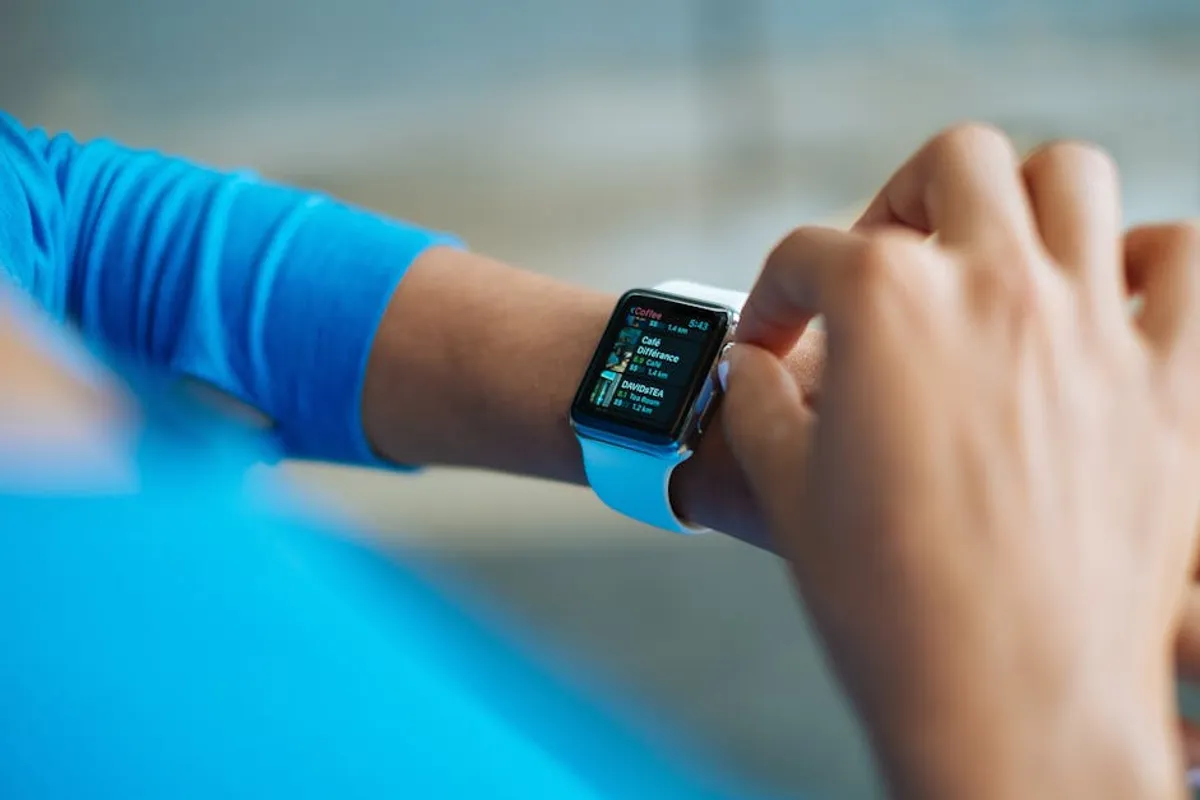
The wearable technology market is not merely a collection of gadgets; it represents a fundamental shift in how individuals interact with data, health, and their environment. For marketers, product developers, and strategic planners, understanding the trajectory of this sector is critical for identifying new revenue streams, optimizing user engagement, and anticipating competitive shifts. This involves moving beyond surface-level observations to assess the underlying technological advancements, market adoption drivers, and commercial implications of emerging trends. The following analysis focuses on the most impactful wearable tech trends, providing a framework for strategic evaluation rather than a simple overview of devices.
What to Look For in Emerging Wearable Trends
When evaluating wearable technology trends for commercial relevance, prioritize factors beyond novelty. Strategic assessment should focus on scalability, data utility, integration potential, and demonstrable user value. A trend's long-term viability often hinges on its ability to move from niche application to broad adoption, driven by improved user experience and clear benefits. Consider the regulatory landscape, particularly concerning health data and privacy, as this can significantly impact market entry and product development costs. Evaluate the ecosystem support—the availability of compatible platforms, developer tools, and complementary services—which dictates ease of implementation and market reach. Finally, assess the potential for monetization, whether through direct sales, subscription services, data analytics, or integration into broader service offerings.
1. Advanced Health Monitoring
This trend moves beyond basic step counting and heart rate tracking to incorporate medical-grade sensors capable of continuous, non-invasive monitoring of vital signs and biomarkers. Innovations include miniaturized ECG sensors for atrial fibrillation detection, continuous glucose monitoring (CGM) patches, blood pressure measurement from the wrist, and sophisticated sleep stage analysis. The focus is on proactive health management, early disease detection, and personalized wellness interventions, often integrating AI for predictive analytics.
Best for: Healthcare providers, insurance companies, pharmaceutical research, corporate wellness programs, and consumer health brands targeting preventative care.
Pros: Provides high-fidelity, real-time physiological data; enables remote patient monitoring, reducing healthcare costs; supports personalized health interventions; creates opportunities for subscription-based health services.
Cons: Regulatory hurdles for medical device certification are significant; data privacy and security concerns are paramount; accuracy and reliability must meet clinical standards; requires robust data integration with existing healthcare systems.
Verdict: This trend represents a substantial commercial opportunity in the regulated healthcare sector, shifting wearables from lifestyle accessories to essential health tools. Success depends on clinical validation, secure data handling, and seamless integration with medical workflows.
2. Augmented Reality (AR) Glasses
AR glasses are evolving from niche enterprise tools to a more consumer-ready format, offering contextual digital overlays onto the real world. Current applications range from industrial maintenance and logistics to navigation, training, and entertainment. The next generation focuses on lighter designs, wider fields of view, improved battery life, and more intuitive interaction methods, moving towards a seamless blend of digital and physical information without requiring a handheld device.
Best for: Manufacturing, logistics, field service, education, retail (assisted shopping), and entertainment/gaming sectors seeking immersive experiences or hands-free operational efficiency.
Pros: Enhances productivity through hands-free information access; facilitates remote assistance and training; creates immersive marketing and entertainment experiences; offers new advertising and content delivery platforms.
Cons: High development and hardware costs; social acceptance and aesthetic challenges; battery life limitations; potential for user distraction or information overload; privacy concerns regarding constant environmental scanning.
Verdict: While consumer adoption remains a challenge, enterprise AR glasses are proving their value through measurable efficiency gains. The commercial breakthrough for consumer AR will depend on compelling use cases that transcend novelty and address daily needs with unobtrusive design.
3. Smart Clothing and Textiles
This trend integrates sensors, actuators, and connectivity directly into fabrics, transforming garments into active interfaces. Examples include athletic wear that tracks muscle activity and form, medical textiles that monitor vital signs, and garments that provide haptic feedback or regulate temperature. The core innovation lies in embedding technology invisibly and comfortably, making wearables truly ubiquitous rather than external devices.
Best for: Sports and fitness, military and first responders, healthcare (remote monitoring, rehabilitation), fashion brands seeking technological differentiation, and occupational safety.
Pros: Offers continuous, unobtrusive data collection; provides enhanced comfort and wearability compared to rigid devices; opens new avenues for personalized performance coaching and health monitoring; potential for integration into everyday apparel.
Cons: Durability and washability of integrated electronics are key challenges; high manufacturing complexity and cost; limited standardization across textile tech; consumer education required to understand benefits over traditional wearables.
Verdict: Smart clothing holds significant potential for seamless data capture and interaction. Its commercial success will be driven by addressing practical challenges like power management and washability, alongside delivering clear, tangible benefits that justify a higher price point.
4. Haptic Feedback and Immersive Experiences
Beyond visual and auditory cues, haptic wearables provide tactile feedback, creating a more immersive and intuitive user experience. This includes subtle vibrations for notifications, directional cues for navigation, or nuanced sensations that simulate textures or forces in virtual environments. Applications extend from gaming and VR/AR to professional training and accessibility aids, enhancing interaction fidelity and sensory engagement.
Best for: Gaming, virtual reality (VR) and augmented reality (AR) developers, training simulations, automotive (driver alerts), and accessibility products for sensory impairments.
Pros: Enhances immersion and realism in digital experiences; improves accessibility for users with visual or auditory impairments; provides intuitive, non-visual alerts and guidance; enables more natural human-computer interaction.
Cons: Haptic technology can be bulky or power-intensive; designing nuanced and effective haptic feedback is complex; user fatigue from constant vibrations; limited standardization across devices and platforms.
Verdict: Haptic technology is crucial for advancing VR/AR and creating truly immersive digital interactions. Its commercial value lies in improving user engagement and retention in entertainment, and enhancing safety and efficiency in professional applications where tactile cues are critical.
5. Brain-Computer Interfaces (BCI)
BCI wearables are designed to interpret brain signals (EEG) to allow users to control devices, communicate, or interact with digital environments using thought alone. While still largely in research and medical applications (e.g., prosthetics control), consumer-grade BCIs are emerging for focus training, meditation, and basic device control. The long-term vision includes seamless mental interaction with digital interfaces and enhanced cognitive capabilities.
Best for: Medical rehabilitation, accessibility solutions, high-performance training, neuroscience research, and future applications in gaming, mental wellness, and productivity tools.
Pros: Offers unprecedented levels of control and interaction for individuals with severe disabilities; potential for enhancing cognitive function and focus; opens entirely new paradigms for human-computer interaction; significant long-term market potential.
Cons: Ethical considerations regarding privacy and mental autonomy are profound; high complexity and cost of development; limited accuracy and bandwidth in current consumer devices; requires extensive user training and calibration.
Verdict: BCI is a frontier technology with transformative potential, especially in medical and accessibility fields. Commercial viability in the broader consumer market is distant, contingent on significant technological advancements, ethical frameworks, and compelling, easy-to-use applications.
6. Enhanced Battery Life and Energy Harvesting
The limitation of battery life remains a significant barrier to widespread adoption and continuous use of many wearables. This trend focuses on innovations in battery chemistry (e.g., solid-state, flexible batteries), more efficient power management, and energy harvesting technologies (e.g., kinetic, thermoelectric, solar). The goal is to enable "set and forget" wearables that require minimal charging, improving user convenience and device autonomy.
Best for: All wearable device manufacturers, especially those targeting continuous monitoring, remote applications, or devices in harsh environments where frequent charging is impractical.
Pros: Increases user convenience and reduces friction; enables continuous data collection for more robust analytics; expands potential use cases for long-duration activities; reduces environmental impact through less frequent charging and potentially smaller batteries.
Cons: Energy harvesting efficiency is often low, requiring supplementary charging; advanced battery tech can be expensive and difficult to miniaturize; safety concerns with new battery chemistries; integration challenges with existing device designs.
Verdict: This foundational trend is critical for the entire wearable market. Improvements here directly enhance user experience and open up new product categories, making it a key area for investment and differentiation for hardware manufacturers.
7. Personalized AI Assistants in Wearables
Integrating sophisticated AI into wearables allows for highly personalized, context-aware assistance. This moves beyond generic voice assistants to proactive guidance based on an individual's biometric data, location, schedule, and preferences. Examples include AI coaches for fitness, sleep, or mental well-being, offering real-time feedback and adaptive recommendations tailored to unique user needs.
Best for: Fitness and wellness apps, productivity tools, health management platforms, and consumer electronics brands seeking to deepen user engagement and provide unique value propositions.
Pros: Delivers hyper-personalized user experiences; enhances user engagement and adherence to health/fitness goals; reduces reliance on screen interaction; potential for proactive health interventions and behavioral nudges.
Cons: Requires extensive data collection, raising privacy concerns; developing truly intelligent and adaptive AI is complex and resource-intensive; risk of "creepy" over-personalization; accuracy of AI recommendations is crucial for user trust.
Verdict: Personalized AI is a major differentiator for wearables, transforming them from data collectors into intelligent companions. Its commercial success depends on balancing advanced functionality with intuitive user control and robust privacy safeguards.
8. Invisible Wearables and Smart Jewelry
This trend focuses on integrating wearable technology into aesthetically pleasing, traditional accessories like rings, pendants, earrings, or discreet patches. The objective is to make technology disappear into everyday life, offering functionality without the overt appearance of a gadget. These devices often prioritize subtle notifications, basic health tracking, and secure authentication, blending fashion with utility.
Best for: Fashion industry, luxury brands, individuals seeking discreet technology, and applications where aesthetics are as important as function (e.g., corporate settings, social events).
Pros: Increases social acceptance and wearability; appeals to a broader demographic less interested in traditional tech aesthetics; allows for constant, unobtrusive monitoring; potential for fashion-tech collaborations.
Cons: Limited space for complex sensors or large batteries; often compromises on screen size or advanced features; higher manufacturing costs for miniaturization and premium materials; perceived as less "serious" than dedicated health trackers.
Verdict: Invisible wearables tap into a significant market segment prioritizing style and discretion. Their commercial success hinges on delivering essential functions reliably within a fashionable form factor, often at a premium price point.
9. Biometric Authentication and Security
Wearables are increasingly being used as secure, convenient authenticators, leveraging unique biometric data (e.g., heart rate patterns, gait, ECG, fingerprint, facial recognition via integrated cameras). This enables password-less access to devices, payments, and physical locations, enhancing security while simplifying user experience. The trend moves towards continuous, passive authentication, where the wearable constantly verifies the user's identity.
Best for: Financial services, enterprise security, smart home systems, access control, and any application requiring secure and seamless user verification.
Pros: Enhances security by utilizing unique biological identifiers; improves user convenience by eliminating passwords; enables continuous, passive authentication; potential for integration with digital identity solutions.
Cons: Biometric data is highly sensitive, raising significant privacy and security concerns; potential for spoofing or unauthorized access if systems are compromised; regulatory challenges regarding biometric data storage and usage; accuracy and reliability must be extremely high.
Verdict: Biometric authentication in wearables offers a compelling solution for enhanced security and convenience. Its commercial adoption will be driven by robust encryption, transparent data policies, and proven reliability in diverse real-world scenarios.
10. Enterprise Wearables for Productivity and Safety
Beyond consumer applications, wearables are being specifically designed for industrial and professional environments. These include rugged smartwatches for construction, AR glasses for remote assistance in manufacturing, smart vests for worker safety monitoring (e.g., vital signs, fall detection), and specialized communication devices. The focus is on improving operational efficiency, reducing errors, and enhancing worker safety in demanding conditions.
Best for: Manufacturing, construction, logistics, healthcare (clinical settings), oil and gas, and any industry with hazardous environments or a need for hands-free data access.
Pros: Significant ROI through improved efficiency, reduced downtime, and enhanced safety; provides real-time data for operational insights; facilitates remote expert assistance and training; compliance with safety regulations.
Cons: High initial investment for hardware and integration; requires robust IT infrastructure and data security protocols; user acceptance and training are critical; environmental durability challenges in harsh conditions.
Verdict: Enterprise wearables offer clear, quantifiable benefits in specific industrial applications. Their commercial success is tied to demonstrating tangible ROI through productivity gains and safety improvements, justifying the higher implementation costs.
11. Sport-Specific Performance Tracking
This trend refines general fitness tracking into highly specialized solutions for individual sports. Examples include smart insoles analyzing running gait, sensors embedded in rackets for swing analysis, smart swim goggles displaying real-time metrics, or precise GPS trackers for cycling power and aerodynamics. The goal is to provide granular, actionable data for athletes and coaches to optimize performance, prevent injuries, and personalize training regimens.
Best for: Professional athletes, sports teams, serious amateur athletes, sports equipment manufacturers, and coaching services.
Pros: Delivers highly specific and actionable performance data; enables data-driven training and injury prevention; creates new opportunities for personalized coaching and analytics services; strong appeal to dedicated sports enthusiasts.
Cons: Niche market compared to general fitness; high cost for specialized sensors and software; data interpretation requires expert knowledge; potential for over-reliance on data at the expense of intuitive performance.
Verdict: Sport-specific wearables cater to a passionate, performance-driven market. Commercial success is achieved by offering unparalleled accuracy and actionable insights that directly translate to improved athletic outcomes, often commanding premium pricing.
12. Mental Wellness and Stress Management Devices
Responding to growing awareness of mental health, this trend focuses on wearables designed to monitor stress levels, improve focus, and aid relaxation. Devices might track heart rate variability (HRV), skin conductance, or even brainwave activity (EEG) to provide insights into mental states. They often integrate with apps offering guided meditation, breathing exercises, or biofeedback training to help users manage stress and improve cognitive well-being.
Best for: Mental health platforms, corporate wellness programs, individuals seeking stress reduction, and wellness coaches.
Pros: Addresses a significant and growing health concern; offers discreet, continuous monitoring of stress indicators; provides actionable tools for self-regulation and mindfulness; potential for integration with therapy and coaching services.
Cons: Subjectivity of mental states makes objective measurement challenging; user adherence to mindfulness practices can vary; ethical considerations around data interpretation and potential for misdiagnosis; requires strong scientific validation for claims.
Verdict: This trend has substantial commercial potential due to increasing demand for mental health support. Success relies on delivering scientifically validated, user-friendly tools that provide tangible benefits in stress reduction and cognitive enhancement, while maintaining data privacy.
Measuring Success and Choosing the Right Trend
For businesses, evaluating which wearable tech trends to engage with requires a strategic lens. Success is not merely about adopting the latest gadget but about integrating technology that addresses specific business objectives. Metrics for success can include: improved operational efficiency (e.g., reduced error rates, faster task completion with AR glasses), enhanced customer engagement (e.g., higher retention rates for personalized AI wellness apps), new revenue streams (e.g., subscription services for advanced health monitoring), or demonstrable safety improvements (e.g., fewer workplace incidents with enterprise wearables). When selecting a trend, consider its alignment with your core business model, the maturity of the technology, the size and receptiveness of your target audience, and the regulatory environment. Prioritize trends that offer clear pathways to monetization and a sustainable competitive advantage, rather than those driven purely by hype.
Frequently Asked Questions
What are the primary commercial challenges for wearable tech?
Commercial challenges include achieving mass consumer adoption beyond early enthusiasts, overcoming privacy and data security concerns, ensuring interoperability across different platforms, managing high development and manufacturing costs for miniaturization, and providing clear, sustained value propositions that justify device cost and ongoing use.
How do data privacy regulations impact wearable technology development?
Data privacy regulations (like GDPR and HIPAA) significantly impact wearable tech, particularly for health and biometric data. Developers must prioritize robust encryption, transparent data collection policies, user consent mechanisms, and secure storage to avoid legal penalties and maintain consumer trust. This often adds complexity and cost to product development and market entry.
What role does artificial intelligence play in the future of wearables?
AI is central to the future of wearables, transforming them from passive data collectors into intelligent, proactive assistants. AI enables personalized insights, predictive analytics for health and performance, adaptive user interfaces, and more intuitive interaction methods (e.g., through natural language processing). It's key to unlocking the full potential of wearable data for actionable intelligence.
Are wearables primarily for consumer markets or enterprise applications?
Wearables serve both consumer and enterprise markets, often with distinct value propositions. Consumer wearables focus on personal health, fitness, communication, and entertainment. Enterprise wearables prioritize productivity, safety, and operational efficiency in specific industrial or professional settings. While there's some overlap, the design, ruggedness, and software ecosystems often differ significantly to meet the unique demands of each sector.
How important is battery life in wearable technology?
Battery life is critically important for wearable technology, directly impacting user convenience, device utility, and continuous data collection. Short battery life leads to user frustration and reduced adherence. Innovations in power efficiency and energy harvesting are therefore essential for the widespread adoption and sustained use of advanced wearables, especially those designed for continuous monitoring or long-duration applications.