The technological landscape shifts at an accelerated pace, making the identification of truly impactful innovations a critical exercise for consumers and industry professionals alike. As we look towards 2026, the gadgets poised to reshape daily life and commercial operations are not merely incremental upgrades but represent fundamental shifts in how we interact with information, manage our health, and navigate our environments. This forward-looking assessment focuses on devices that promise significant advancements in artificial intelligence integration, sustainable design, immersive experiences, and personalized utility, moving beyond conceptual prototypes to products with a clear path to market relevance and user adoption.
The selection criteria for these "gadgets to watch" emphasize disruptive potential, tangible benefits, and a demonstrable progression from current technologies. This isn't about speculative science fiction, but rather an analysis of emerging product categories and specific innovations that are maturing rapidly. Understanding these trends provides a strategic advantage, whether for early adoption, market analysis, or investment consideration in the evolving tech ecosystem.
What to Look For in 2026 Gadgets
Evaluating the next wave of essential gadgets requires a focus on several key vectors indicating long-term impact and user value. Beyond raw specifications, the integration of advanced AI, a commitment to sustainability, and a seamless user experience are paramount. Devices that offer true utility often blend multiple cutting-edge technologies into a cohesive, problem-solving package.
- Advanced AI Integration: Look for gadgets where AI is not just a feature but a foundational element, enabling proactive assistance, personalized adaptations, and complex task automation. This extends to on-device AI for enhanced privacy and responsiveness, reducing reliance on cloud processing.
- Sustainability and Longevity: Consumer demand and regulatory pressures are driving a shift towards products designed for repairability, modularity, and manufactured with recycled or sustainably sourced materials. Gadgets that minimize environmental impact throughout their lifecycle will gain significant traction.
- Enhanced User Experience (UX): Intuitive interfaces, multi-modal interaction (voice, gesture, haptics), and adaptive learning capabilities are crucial. The best gadgets will anticipate user needs rather than merely react to commands, reducing cognitive load and friction.
- Cross-Device Ecosystems: Seamless interoperability between devices from the same manufacturer, or even across different brands via open standards, will define superior user experiences. Gadgets that function as part of a larger, integrated system offer greater value.
- Novel Form Factors and Applications: Beyond traditional screens and enclosures, expect to see more wearable, ambient, and bio-integrated devices. These new forms enable data collection and interaction in previously inaccessible contexts, opening new applications in health, productivity, and entertainment.
- Privacy and Security by Design: With increasing data collection, devices incorporating robust privacy controls and strong security protocols from the ground up will differentiate themselves. On-device processing for sensitive data will be a key selling point.
1. AuraLink AI Companion
The AuraLink AI Companion represents a significant evolution in personal artificial intelligence, moving beyond voice assistants to a truly proactive, context-aware device. This compact, multi-modal gadget integrates advanced natural language processing with environmental sensors, allowing it to understand user intent, anticipate needs, and offer relevant assistance without explicit prompts. It functions as an ambient interface, capable of projecting interactive displays onto surfaces, generating holographic visualizations, and communicating through sophisticated haptic feedback, creating a less screen-dependent interaction model. Its core innovation lies in its ability to learn user habits, preferences, and emotional states, providing highly personalized and timely support across professional and personal domains.
Best for: Professionals seeking a highly integrated, proactive productivity assistant; individuals looking for seamless, ambient interaction with their digital world; users prioritizing personalized, context-aware support over traditional command-based interfaces.
Pros: Proactive assistance significantly reduces cognitive load; multi-modal interaction (voice, gesture, projection, haptics) offers flexible use cases; robust on-device AI ensures privacy for sensitive data; adaptive learning creates a truly personalized experience; compact form factor allows for discreet integration into daily life.
Cons: High initial cost due to advanced AI hardware; potential for a steep learning curve for users accustomed to traditional interfaces; ethical considerations around constant monitoring and data interpretation may deter some users; battery life could be a limiting factor for continuous, high-intensity use.
Verdict: The AuraLink AI Companion is poised to redefine personal assistance by shifting from reactive commands to proactive, ambient intelligence. Its success hinges on user trust in its data handling and the seamlessness of its multi-modal interactions, offering a glimpse into a future where technology truly anticipates our needs.
2. EcoFlex 2026 Modular Smartphone
The EcoFlex 2026 is a smartphone designed from the ground up for sustainability and longevity, directly addressing the e-waste crisis and consumer desire for durable products. Its modular architecture allows users to easily upgrade or replace key components such as the camera module, battery, processor, and display, extending the device's lifespan significantly. Constructed from a high percentage of recycled and bio-based plastics, along with ethically sourced rare earth minerals, the EcoFlex 2026 sets a new standard for environmentally conscious electronics. Software support is guaranteed for a minimum of seven years, further reinforcing its long-term value proposition. This device is not just a phone; it's a statement against planned obsolescence.
Best for: Environmentally conscious consumers; users who prioritize repairability and upgradability; organizations seeking to reduce their electronic footprint; those looking for a long-term device investment.
Pros: Significantly reduces electronic waste through modular design; extended software support ensures long-term usability; uses recycled and sustainable materials; empowers users with repair and upgrade options; potential for lower total cost of ownership over time due to component replacement rather than full device replacement.
Cons: Initial purchase price may be higher than conventional smartphones; modularity can lead to a slightly thicker or heavier form factor; component upgrades may not always match the performance of brand-new, integrated designs; limited accessory ecosystem compared to mainstream devices.
Verdict: The EcoFlex 2026 challenges the disposable nature of modern electronics. Its success will demonstrate the viability of a circular economy model within consumer tech, appealing to a growing segment of users who value sustainability and lasting utility above all else.
3. RealityWeave Pro AR Headset
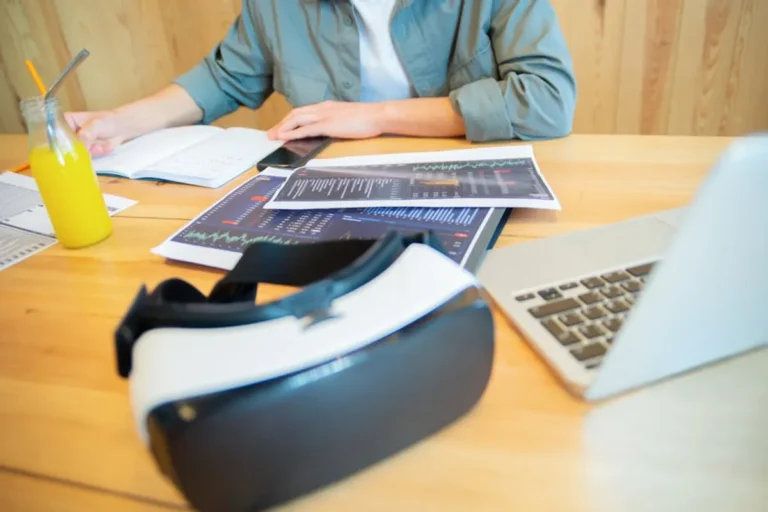
The RealityWeave Pro represents the next generation of augmented reality headsets, specifically engineered for professional and creative applications. Unlike bulkier VR systems, this device focuses on a lightweight, ergonomic design that allows for all-day wear, critical for enterprise use. Its core innovation lies in its advanced optical system, which provides an expansive field of view with exceptional clarity and color accuracy for digital overlays, seamlessly blending virtual content with the real world. High-resolution pass-through cameras enable precise spatial anchoring and interaction with physical objects. Integrated eye-tracking, hand-tracking, and spatial audio create an intuitive, immersive experience for tasks ranging from architectural visualization and remote collaboration to surgical training and product design.
Best for: Architects, engineers, and designers; remote collaboration in technical fields; advanced training and simulation; professional content creators and developers exploring spatial computing.
Pros: Lightweight and comfortable for extended professional use; high-resolution optics and wide field of view enhance immersion and utility; precise spatial anchoring and interaction capabilities; robust ecosystem for enterprise applications; facilitates advanced remote collaboration and visualization.
Cons: High price point limits consumer adoption; requires significant computational power, often tethered or with a powerful compute pack; battery life can be a constraint for untethered operation; potential for visual fatigue during prolonged use; enterprise integration requires specialized software development.
Verdict: The RealityWeave Pro is poised to be a foundational tool for spatial computing in professional environments. Its success will be measured by its ability to demonstrably improve workflow efficiency and enable new forms of creative and collaborative work, pushing AR beyond niche applications.
4. VitalSync Patch
The VitalSync Patch is a revolutionary bio-integrated health monitor that moves beyond traditional wearables by offering continuous, non-invasive biomarker tracking directly from the skin. Utilizing microfluidic sensors and advanced AI analytics, this discreet, disposable patch can monitor a comprehensive suite of health indicators, including glucose levels, hydration, stress hormones, and inflammation markers, without the need for blood draws or external devices. Data is securely transmitted to a companion app, providing real-time insights and predictive health alerts. Its design focuses on comfort and unobtrusiveness, making it ideal for continuous long-term monitoring, empowering individuals with unprecedented insight into their physiological state and early detection of potential health issues.
Best for: Individuals with chronic health conditions requiring continuous monitoring; athletes optimizing performance and recovery; proactive health management for general wellness; clinical trials and remote patient monitoring.
Pros: Non-invasive and continuous monitoring of multiple biomarkers; provides real-time, actionable health insights; discreet and comfortable for daily wear; predictive analytics for early detection of health changes; secure data handling and privacy features.
Cons: Disposable nature raises questions about long-term environmental impact; accuracy and calibration require ongoing validation; regulatory approvals for medical claims can be lengthy; subscription model for data analytics may be costly; skin sensitivity for some users could be an issue.
Verdict: The VitalSync Patch represents a paradigm shift in personal health monitoring, offering a preventative and personalized approach to wellness. Its widespread adoption will depend on its proven accuracy, affordability, and seamless integration with healthcare systems, making proactive health management more accessible.
5. AeroGlide Commuter
The AeroGlide Commuter reimagines urban personal mobility with a focus on efficiency, safety, and environmental impact. This compact, electric, semi-autonomous pod is designed for single-person travel in congested city environments, offering a practical solution for last-mile transportation. Its innovative gyroscopic stabilization system allows for nimble maneuvering through tight spaces, while its advanced sensor suite provides collision avoidance and adaptive routing. The AeroGlide integrates seamlessly with public transport networks, acting as a personal extension for door-to-door journeys. Its lightweight composite construction and swappable battery packs contribute to a low carbon footprint, making it a compelling alternative to traditional short-distance travel.
Best for: Urban commuters seeking efficient and eco-friendly last-mile solutions; individuals in dense city centers looking for personal, on-demand transport; smart city initiatives aiming to reduce traffic congestion and emissions.
Pros: Reduces urban congestion and emissions; compact size allows for easy navigation and parking; electric powertrain with swappable batteries for convenience; advanced safety features including collision avoidance; semi-autonomous capabilities simplify driving.
Cons: Limited passenger capacity (single person); requires dedicated charging infrastructure or battery swap stations; regulatory challenges for autonomous features in varying urban environments; weather dependency for open-air models; initial cost may be high for personal ownership, more suited for ride-sharing fleets.
Verdict: The AeroGlide Commuter has the potential to transform urban travel by offering a sustainable, efficient, and personalized mobility option. Its success hinges on infrastructure development, regulatory adaptation, and its ability to integrate into existing transportation ecosystems, addressing a critical need for efficient city movement.
6. CognitoHome Hub
The CognitoHome Hub is a next-generation smart home controller that prioritizes privacy and responsiveness through advanced on-device AI, leveraging neuromorphic processing. Unlike cloud-dependent hubs, the CognitoHome processes sensitive user data and automation routines locally, significantly reducing latency and eliminating privacy concerns associated with sending data to external servers. Its neuromorphic chip allows for highly efficient, real-time learning and adaptation to household patterns, enabling more intelligent and personalized automation of lighting, climate, security, and appliances. The hub supports a vast array of smart home protocols, acting as a universal translator for disparate devices, creating a truly unified and secure smart home ecosystem that reacts instantly to its inhabitants' needs.
Best for: Privacy-conscious smart home users; individuals seeking highly responsive and reliable home automation; users with diverse smart home devices from multiple manufacturers; those interested in advanced, adaptive AI-driven home environments.
Pros: Enhanced privacy due to local data processing; significantly reduced latency for automation routines; universal compatibility with a wide range of smart home protocols; adaptive AI learns and optimizes home environment; robust security features for connected devices.
Cons: Higher initial cost compared to basic cloud-based hubs; complex setup for advanced automation rules may require technical knowledge; limited cloud integration for certain services may reduce functionality for some users; requires robust local network infrastructure for optimal performance.
Verdict: The CognitoHome Hub is a critical step towards truly intelligent and private smart homes. By shifting AI processing to the edge, it addresses key user concerns around data security and responsiveness, positioning itself as the central nervous system for future smart living.
7. SensoryLink Immersion Suit
The SensoryLink Immersion Suit elevates virtual and augmented reality experiences by providing full-body haptic feedback and motion capture. This lightweight, form-fitting suit integrates an array of advanced actuators that can simulate textures, temperatures, impacts, and environmental sensations, significantly enhancing realism in gaming, training simulations, and virtual collaboration. Beyond haptics, the suit incorporates precise inertial measurement units (IMUs) for accurate full-body tracking, eliminating the need for external sensors and enabling natural, unencumbered movement within virtual spaces. Its modular design allows for easy cleaning and replacement of individual haptic units, ensuring longevity and hygiene for multi-user environments. The SensoryLink creates an unparalleled level of presence, blurring the lines between the physical and digital worlds.
Best for: Serious gamers and esports professionals; high-fidelity VR/AR training and simulation (e.g., military, medical); immersive entertainment experiences; developers creating next-generation interactive content.
Pros: Delivers realistic full-body haptic feedback; precise motion capture without external sensors; enhances immersion in VR/AR significantly; modular design for easy maintenance and hygiene; compatible with a range of VR/AR platforms.
Cons: High cost limits consumer accessibility; requires significant content development to fully utilize capabilities; potential for discomfort during extended use; battery life can be a limiting factor for untethered operation; storage and donning can be cumbersome.
Verdict: The SensoryLink Immersion Suit is a game-changer for immersive experiences, providing the tactile dimension that has long been missing from VR/AR. Its impact will be most felt in professional training and high-end entertainment, setting a new benchmark for digital presence.
8. OptiVision AR Lenses
OptiVision AR Lenses are a groundbreaking advancement in augmented reality, integrating discreet, high-resolution displays directly into contact lenses. These smart lenses offer a truly unencumbered AR experience, overlaying digital information onto the wearer's natural field of vision without external hardware. Beyond visual augmentation, the lenses incorporate micro-sensors for continuous health monitoring, tracking metrics like tear glucose levels, eye pressure, and even early signs of ocular conditions. Dynamic focus technology ensures digital content remains sharp regardless of gaze distance, while adaptive light filtering optimizes visibility in varying conditions. Powered by bio-compatible micro-batteries and charged wirelessly, OptiVision AR Lenses represent the ultimate fusion of technology and biology, making digital interaction ambient and personal.
Best for: Early adopters of cutting-edge technology; individuals seeking discreet, hands-free information access; proactive health monitoring; professionals requiring on-the-go data visualization without external screens.
Pros: Unobtrusive and discreet AR experience; integrates health monitoring capabilities; dynamic focus technology for clear visuals; wireless charging and bio-compatible design; enables ambient information display without external devices.
Cons: Extremely high initial cost and specialized fitting required; potential for eye strain or discomfort for some users; limited battery life for continuous AR display; significant regulatory hurdles for medical and consumer use; data privacy concerns related to eye-tracking and health monitoring.
Verdict: OptiVision AR Lenses represent a monumental leap in human-computer interaction, making augmented reality truly personal and ambient. While facing significant technical and regulatory challenges, their potential to integrate digital information seamlessly into daily life is transformative, offering a future where technology is truly invisible.
9. PowerCell Ultra Portable Battery Pack
The PowerCell Ultra is a next-generation portable battery pack that leverages solid-state battery technology to deliver unprecedented charging speeds, energy density, and safety. Unlike traditional lithium-ion packs, its solid-state cells eliminate the risk of thermal runaway, making it significantly safer for travel and everyday use. With the ability to fully charge a smartphone in minutes and provide multiple charges for laptops, the PowerCell Ultra addresses the critical need for reliable, fast power on the go. Its compact, lightweight design is a direct result of the higher energy density of solid-state technology, allowing users to carry more power in a smaller footprint. This device sets a new standard for portable energy solutions, offering both peace of mind and unparalleled performance.
Best for: Frequent travelers and digital nomads; outdoor enthusiasts requiring reliable power; professionals needing fast charging for multiple devices; users prioritizing safety and performance in portable power solutions.
Pros: Extremely fast charging capabilities; significantly higher energy density for compact size; enhanced safety due to solid-state technology; durable and long-lasting cell cycles; universal compatibility with various devices via advanced charging protocols.
Cons: Higher manufacturing cost translates to a premium price point; solid-state technology is still maturing, potentially limiting initial production volume; weight may still be a factor for ultra-light travel despite density improvements; specialized charging cables or adapters may be required for optimal speed.
Verdict: The PowerCell Ultra is poised to revolutionize portable power, offering a compelling blend of speed, capacity, and safety previously unavailable. Its adoption will accelerate as solid-state battery costs decrease, making high-performance, secure portable power a standard expectation.
10. GourmetBot 3000 Robotic Chef
The GourmetBot 3000 is an advanced robotic kitchen assistant designed to automate and personalize meal preparation, transforming the domestic cooking experience. This sophisticated appliance integrates a multi-axis robotic arm with an array of smart sensors, precise ingredient dispensers, and an induction cooking surface. Users can select recipes from a vast digital library, customize nutritional profiles, or even upload their own creations. The GourmetBot handles everything from chopping and mixing to cooking and plating, reducing human effort and ensuring consistent results. Its AI learns user preferences and dietary restrictions over time, offering personalized meal suggestions and optimizing ingredient usage to minimize waste. This device promises to democratize gourmet cooking and streamline daily meal routines.
Best for: Busy individuals and families seeking convenient, healthy meal solutions; users with specific dietary requirements or allergies; home chefs looking to experiment with precise cooking techniques; smart kitchens aiming for full automation.
Pros: Automates complex meal preparation, saving time; ensures consistent cooking quality and precision; customizable nutritional profiles and dietary adherence; reduces food waste through optimized ingredient use; expansive recipe library and learning AI for personalization.
Cons: High initial investment cost; requires significant counter space and dedicated kitchen integration; cleaning and maintenance of robotic components can be complex; limited spontaneity compared to human cooking; potential for mechanical failures or software glitches.
Verdict: The GourmetBot 3000 has the potential to fundamentally change how we approach home cooking, offering unparalleled convenience and personalization. Its success will depend on its reliability, ease of use, and its ability to deliver culinary results that rival human preparation, making it a central fixture in the smart home of the future.
11. EchoShield Adaptive Audio Headphones
The EchoShield Adaptive Audio Headphones represent a significant leap in personalized sound management, moving beyond simple noise cancellation to intelligent environmental audio adaptation. These headphones dynamically analyze the surrounding soundscape in real-time, selectively filtering out unwanted noise while allowing critical sounds (like conversations, announcements, or traffic alerts) to pass through, or even augmenting them for clarity. Utilizing advanced AI and multiple microphones, the EchoShield creates a personalized audio bubble that adjusts to the user's focus and environment, whether in a busy office, on public transport, or during outdoor activities. The accompanying app allows for granular control over sound transparency, focus modes, and personalized sound profiles, offering unparalleled auditory control and comfort.
Best for: Commuters and frequent travelers; office workers in open-plan environments; individuals with sensory sensitivities; anyone seeking a highly personalized and adaptive audio experience for focus or awareness.
Pros: Intelligent, adaptive noise management beyond simple cancellation; allows critical sounds to pass through for safety and awareness; personalized sound profiles and focus modes; high-fidelity audio reproduction; comfortable for extended wear.
Cons: Premium price point compared to standard noise-canceling headphones; complex AI processing may lead to higher power consumption; reliance on companion app for full customization; potential for occasional misinterpretation of environmental sounds; active components add weight.
Verdict: The EchoShield Adaptive Audio Headphones redefine personal sound, offering a dynamic and intelligent approach to managing auditory environments. Their ability to balance focus with awareness makes them invaluable for productivity and safety, setting a new standard for what headphones can achieve.
12. GridFlow Smart Home Energy Hub
The GridFlow Smart