
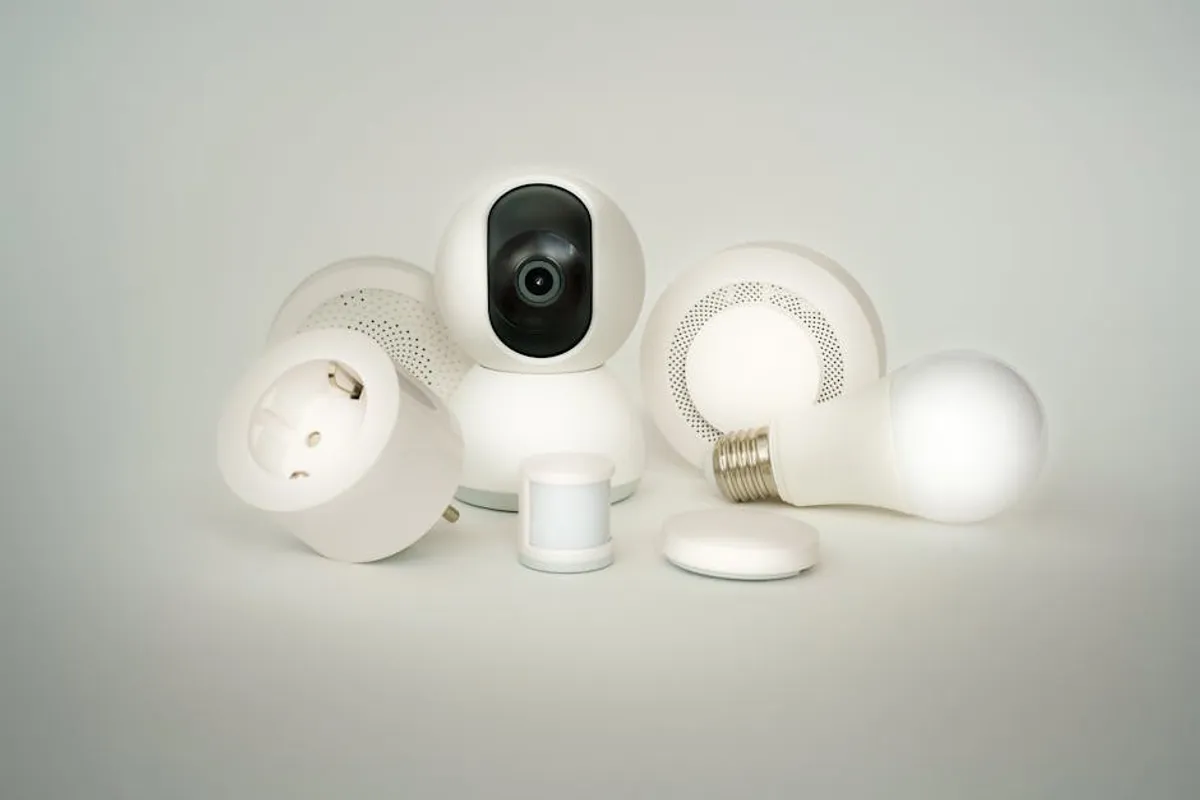
The proliferation of smart home devices presents a landscape of options for automating and simplifying daily routines. For those looking to integrate technology that genuinely makes life easier, the decision-making process extends beyond individual product features to encompass ecosystem compatibility, long-term support, and practical application within a household. The objective is not merely to acquire smart gadgets, but to build a cohesive environment where devices anticipate needs, conserve resources, and enhance security without adding complexity.
Automated Lighting Systems
Smart lighting systems offer more than just remote control; they provide dynamic scene setting, energy optimization, and enhanced security through presence simulation. These systems integrate with voice assistants and occupancy sensors to automate illumination based on schedules, ambient light levels, or detected movement.
- Energy Efficiency: LED smart bulbs consume significantly less power than traditional incandescent bulbs and offer extended lifespans, reducing replacement frequency.
- Customization: Users can adjust color temperature and brightness, creating specific ambiances for different activities or times of day.
- Security: Scheduling lights to turn on and off while away can deter potential intruders, giving the impression of an occupied home.
- Integration: Leading systems often support Zigbee, Z-Wave, or Wi-Fi protocols, ensuring broad compatibility with smart home hubs and voice platforms.
Key consideration: Evaluate the ecosystem's robustness. Systems like Philips Hue offer extensive third-party integrations and a wide range of bulb types, while Lutron Caséta focuses on reliable wall switch and dimmer control, often preferred for whole-home solutions.
Intelligent Climate Control
Smart thermostats move beyond programmable schedules by learning occupant habits, utilizing geofencing, and integrating with local weather data to optimize heating and cooling. This proactive management translates directly into energy savings and consistent indoor comfort.
Benefit: Devices such as Ecobee and Nest learn preferred temperatures and adjust settings automatically based on whether the home is occupied or vacant. Geofencing capabilities can detect when residents are leaving or returning, preparing the home's climate in advance. Energy reports provide insights into consumption patterns, identifying opportunities for further efficiency.
Commercial value: For property managers or homeowners, the ability to remotely monitor and adjust temperatures, coupled with detailed energy usage analytics, offers a tangible return on investment through reduced utility costs and improved tenant satisfaction.
Advanced Security and Monitoring
Modern smart security systems provide real-time surveillance, motion alerts, and two-way communication, transforming a standard home into a continuously monitored environment. These systems are designed to offer peace of mind through proactive detection and immediate notification.
Features to prioritize:
- High-Resolution Cameras: Look for 1080p or 4K video quality, often with wide-angle lenses and night vision, to capture clear footage.
- Two-Way Audio: Essential for communicating with visitors or deterring unwanted individuals remotely.
- Customizable Motion Zones: Reduces false alarms by allowing users to define specific areas for motion detection.
- Cloud Storage Options: Evaluate subscription models for video recording and storage, which vary significantly between providers like Ring and Arlo.
- Professional Monitoring Integration: Some systems, such as SimpliSafe, offer optional 24/7 professional monitoring, adding another layer of security.
Pro Tip: Prioritize device interoperability. A fragmented smart home ecosystem, where devices from different manufacturers do not communicate effectively, often creates more friction than it resolves, undermining the core promise of "easier living."
Smart Locks and Access Management
Keyless entry systems and smart locks enhance security and convenience by eliminating the need for physical keys. They offer remote access control, temporary passcodes for guests, and detailed activity logs.
Practical applications:
- Remote Access: Grant entry to service providers or family members from anywhere using a smartphone app.
- Temporary Codes: Generate time-sensitive access codes for deliveries, cleaners, or short-term rentals, expiring automatically.
- Activity Logs: Track who enters and exits the home, and at what time, providing a clear audit trail.
- Auto-Locking: Many smart locks can automatically lock after a set period, preventing accidental unsecure entries.
Integration focus: Look for locks that integrate seamlessly with your existing smart home platform, such as August or Yale models that support Z-Wave or Wi-Fi for broader compatibility.
Centralized Voice Assistants and Hubs
Voice assistants and smart hubs serve as the central nervous system for a smart home, enabling hands-free control and orchestrating complex routines across multiple devices. Their utility lies in simplifying interaction and consolidating control.
Ecosystem choice: The primary decision often revolves around Amazon Alexa, Google Assistant, or Apple HomeKit. Each offers distinct advantages in terms of device compatibility, voice recognition accuracy, and privacy features. Amazon Echo devices and Google Nest Hubs provide robust platforms for device control, media playback, and information retrieval.
Value proposition: Beyond simple commands, these hubs enable the creation of "routines" or "scenes" where a single voice command or scheduled event triggers a sequence of actions, such as "Good Morning" activating lights, adjusting the thermostat, and playing news headlines.
Smart Plugs and Switches
For devices that aren't inherently "smart," smart plugs and wall switches offer an accessible entry point into home automation. They provide remote control, scheduling, and sometimes energy monitoring for traditional appliances.
Why they matter:
- Cost-Effective Automation: Convert lamps, fans, coffee makers, or holiday lights into smart devices without replacing the appliance itself.
- Energy Monitoring: Some smart plugs, like those from TP-Link Kasa, track energy consumption, helping identify power-hungry devices.
- Scheduling: Automate power cycling for devices, useful for charging electronics or ensuring appliances are off when not needed.
Deployment flexibility: Available in Wi-Fi, Zigbee, or Z-Wave variants, allowing integration into various smart home ecosystems without requiring a dedicated hub for many Wi-Fi models.
Strategic Integration for Enhanced Living
The true value of smart home devices emerges not from isolated gadgets, but from their strategic integration into a cohesive system. Prioritizing interoperability and a clear understanding of desired outcomes—whether it's energy conservation, enhanced security, or pure convenience—will guide effective implementation. Building a smart home ecosystem incrementally, focusing on foundational elements and ensuring compatibility, typically yields the most satisfying and sustainable results.
Frequently Asked Questions
Are smart home devices secure against hacking?
Security varies by manufacturer and device. Reputable brands prioritize encryption, regular firmware updates, and robust authentication protocols. Users should always employ strong, unique passwords and enable two-factor authentication where available.
How complicated is it to set up a smart home system?
Initial setup for individual devices is often straightforward, guided by mobile apps. The complexity increases with the number of devices and the desire for advanced automations across different brands. Sticking to a single ecosystem or using a universal hub simplifies integration.
Do smart home devices work without an internet connection?
Many smart home devices require an active internet connection for full functionality, especially for remote control, voice assistant integration, and cloud-based features. However, some local controls (e.g., manual switch operation) or devices using Zigbee/Z-Wave protocols with a local hub can retain basic functionality during internet outages.
What is the typical lifespan of a smart home device?
The lifespan varies significantly by device type and manufacturer, but most smart home devices are designed for several years of operation. Software support, including security updates and feature enhancements, is often a more critical factor, influencing how long a device remains functionally viable within an evolving ecosystem.