
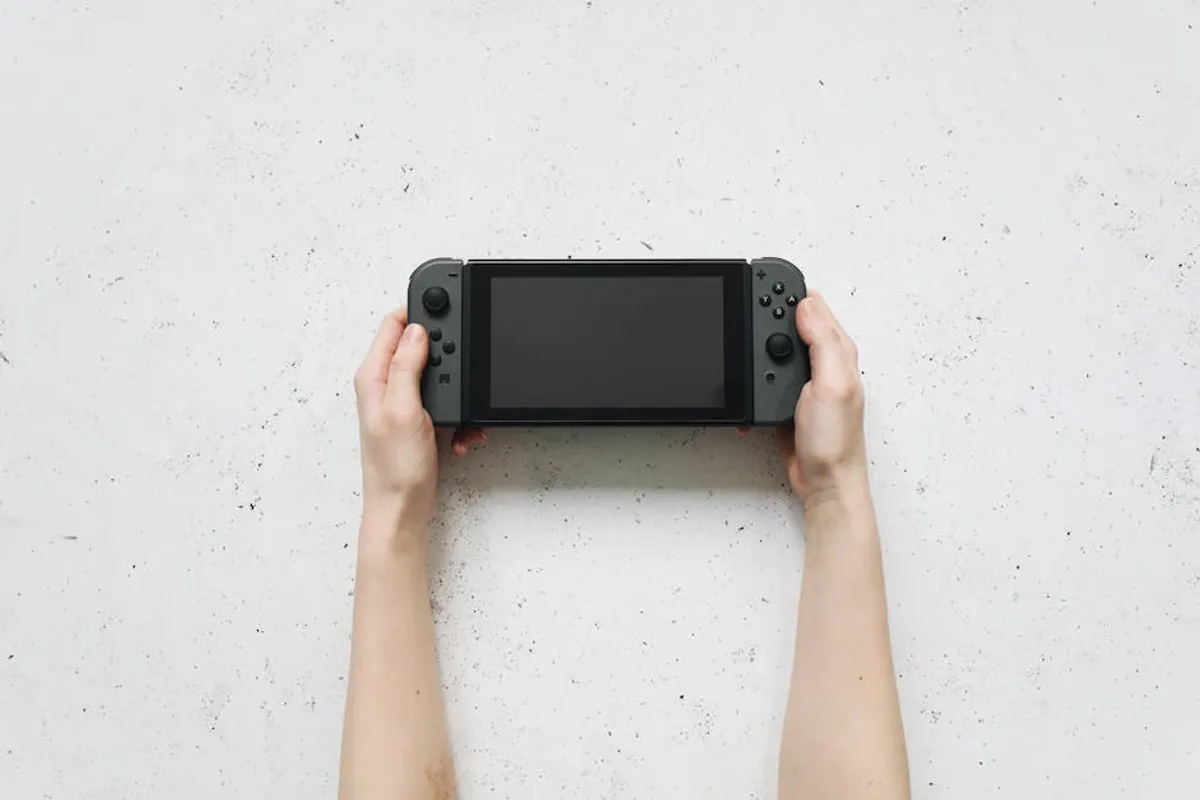
The gaming industry stands on the cusp of a significant hardware refresh, with the anticipated launch of the Nintendo Switch 2. For publishers, developers, accessory manufacturers, and retailers, understanding the potential release timeline and technical specifications of this next-generation console is critical for strategic planning. The original Nintendo Switch, launched in 2017, redefined portable and home console gaming, selling over 139 million units globally. Its successor is poised to build on this legacy, but the exact details remain under wraps, fueling intense speculation across the commercial ecosystem. This article synthesizes current industry intelligence, leaked information, and market trends to provide a grounded perspective on what to expect, enabling more informed decision-making for businesses operating within this dynamic sector.
Release Date Expectations and Market Dynamics
Pinpointing an exact launch date for the Nintendo Switch 2 is challenging, given Nintendo's historical secrecy. However, industry patterns, supply chain indicators, and financial reporting offer a framework for educated projections. Console lifecycles typically span 6-8 years before a major successor, placing the Switch 2 within a logical timeframe for a 2024 or early 2025 debut.
Industry Speculation and Patterns
Nintendo often targets key sales periods. A holiday season launch, particularly in Q4, maximizes initial sales velocity. However, a Q1 or Q2 launch allows for a longer sales runway within a fiscal year and avoids direct competition with other major holiday releases. Reports from component suppliers and manufacturing partners often leak details regarding production ramps, which typically precede a console launch by several months. Major industry events, such as Gamescom or The Game Awards, also serve as potential announcement platforms, though Nintendo has increasingly favored direct presentations.
Supply Chain Considerations
The global semiconductor market and component availability significantly influence console production. Nintendo, like other hardware manufacturers, must secure sufficient chip allocations and manufacturing capacity to meet anticipated demand. Initial production volumes are often conservative, ramping up as supply chains stabilize. Any delays in component procurement or assembly could push a release further into the calendar year or even to the next. The current economic climate and inflationary pressures also play a role in pricing strategies and consumer affordability, which Nintendo will carefully balance.
Pro Tip:
Monitor Nintendo's investor calls and financial reports closely. While specific product announcements are rare, guidance on R&D spending, capital expenditure, and sales forecasts for the "next-generation console" often provide indirect signals regarding the development stage and anticipated launch window.
Anticipated Technical Specifications
While official specifications are unconfirmed, a consensus has emerged from patent filings, developer leaks, and supply chain reports regarding the likely hardware advancements. These upgrades are crucial for understanding the console's capabilities and the type of games it will support.
Processor and GPU
The most widely cited upgrade involves a custom NVIDIA Tegra processor, likely based on the Orin family (T239). This would represent a substantial leap from the original Switch's Tegra X1, bringing modern GPU architecture with support for NVIDIA's DLSS (Deep Learning Super Sampling) technology. DLSS allows games to render at a lower resolution and then intelligently upscale to a higher output resolution, significantly improving visual fidelity and performance without requiring a massive increase in raw processing power. This is a critical feature for a hybrid console aiming for both portable and docked experiences.
Display Technology
Speculation points towards an 8-inch LCD screen, a notable increase from the original Switch's 6.2-inch LCD and the OLED model's 7-inch OLED. An LCD panel might be chosen for cost-effectiveness and availability, though an OLED variant could follow later. The resolution is expected to remain 720p in handheld mode to conserve battery life and maintain performance targets, with 1080p or even 4K output when docked, leveraging DLSS for enhanced clarity.
Storage and Memory
The original Switch's 32GB internal storage was a frequent point of criticism. The Switch 2 is expected to address this with a substantial increase, potentially to 256GB or 512GB of UFS 3.1 flash storage. This faster storage standard will improve game loading times. RAM is also anticipated to increase, with reports suggesting 8GB or even 12GB, providing developers more headroom for complex game worlds and higher-resolution assets.
Controller Enhancements
The detachable Joy-Cons are a signature feature, and improvements are expected. Patent filings suggest a new magnetic attachment mechanism for improved durability and ease of use. Enhanced haptic feedback, similar to the HD Rumble but with greater fidelity, is also a strong possibility. These refinements aim to improve the tactile experience and potentially enable new gameplay mechanics.
Backward Compatibility
Backward compatibility with the existing Nintendo Switch game library is a high priority for Nintendo, given the vast install base and extensive software catalog. This is crucial for consumer adoption and allows players to transition seamlessly to the new hardware without losing their existing game investments. It also provides a robust launch lineup for the new console from day one.
Market Impact and Commercial Implications
The launch of the Switch 2 will send ripples across the entire gaming market. For game developers, the increased power means greater creative freedom and the ability to port more demanding titles. For accessory manufacturers, it presents opportunities for new Joy-Cons, docks, cases, and other peripherals, necessitating early R&D and production planning. Retailers will need to manage inventory transitions, marketing campaigns, and potential trade-in programs for the original Switch. The competitive landscape will also shift, as Nintendo repositions itself against Sony and Microsoft's offerings, particularly in the hybrid and portable segments.
Strategic Considerations for Publishers and Developers
For those creating software or hardware for the Nintendo ecosystem, the Switch 2's arrival demands proactive strategy development.
- Development Roadmaps: Publishers should assess existing projects for potential Switch 2 enhancements or dedicated next-gen versions. Understanding the new hardware's capabilities is key to optimizing performance and visual fidelity.
- Accessory Design: Manufacturers need to anticipate changes to Joy-Con dimensions, port layouts, and form factors to ensure new accessories are compatible and desirable.
- Marketing Alignment: Marketing teams must prepare campaigns that highlight the new console's features while leveraging the existing Switch brand recognition and extensive game library.
- Supply Chain Management: Retailers and distributors must work closely with Nintendo to forecast demand, manage pre-orders, and ensure adequate stock levels at launch.
- Platform Transition: For developers, understanding the ease of porting existing Switch titles to the new hardware is vital for maintaining a strong software presence during the transition period.
Preparing for the Next Generation
The Nintendo Switch 2 represents a pivotal moment for the gaming industry. While specific details remain officially unconfirmed, the collective intelligence from patents, leaks, and industry analysis paints a clear picture of a console designed to enhance the hybrid gaming experience with significant technical upgrades. For businesses tied to the gaming ecosystem, proactive planning based on these anticipated specifications and release windows is essential. This forward-looking approach will enable effective resource allocation, product development, and market positioning to capitalize on the opportunities presented by Nintendo's next-generation hardware.
Frequently Asked Questions
Will the Nintendo Switch 2 be backward compatible with original Switch games?
Industry reports and Nintendo's past console strategies strongly suggest the Switch 2 will be fully backward compatible with the existing library of Nintendo Switch games, allowing players to retain their digital and physical game collections.
What kind of performance improvements can be expected from the Switch 2?
The Switch 2 is expected to feature a significantly more powerful NVIDIA Tegra processor with DLSS support, enabling higher resolutions (especially when docked), improved frame rates, and more complex graphical effects compared to the original Switch.
Will the new console still use detachable Joy-Cons?
Yes, it is widely anticipated that the Switch 2 will retain the detachable Joy-Con concept, likely with design refinements such as a new magnetic attachment mechanism and enhanced haptic feedback.
When is the Nintendo Switch 2 expected to be released?
While no official announcement has been made, industry analysts and supply chain reports indicate a release window in late 2024 or early 2025, aligning with typical console refresh cycles.