Audio equipment is one of the most marketing-driven consumer categories. Premium claims, audiophile mythology, and price markups are real. Here are 5 audio products that genuinely deliver value.
1. Sony WH-1000XM5 noise-canceling headphones — about 0
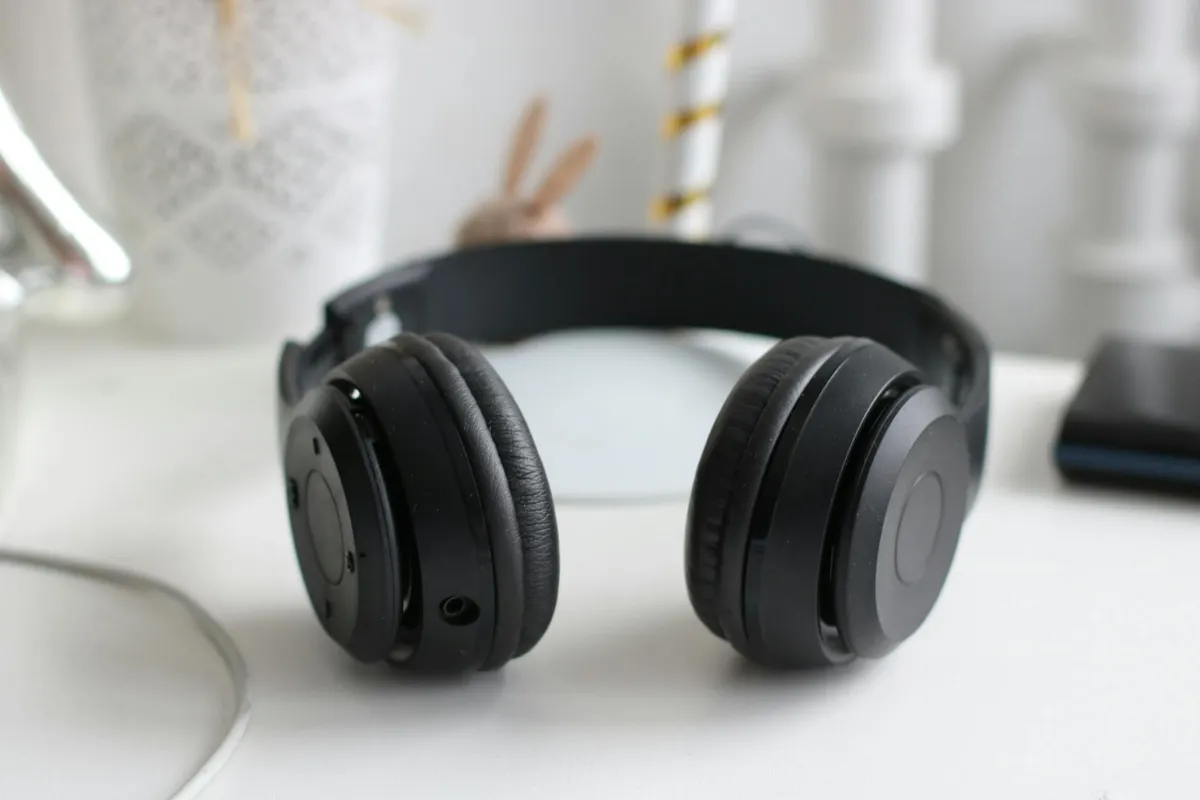
What it is: Best-in-class wireless noise-canceling over-ear headphones.
What works: Genuinely best noise canceling on the market. Comfortable for long sessions. Good sound quality. Long battery life. Excellent app for adjustments.
What does not: Bose competitors are similar. Wired sound quality not on par with audiophile wired headphones at similar price.
Bottom line: If you travel or work in noisy environments, these are worth the price. The noise canceling alone changes flight experiences.
2. Sennheiser HD 600 wired headphones — about 0
What it is: Reference-quality open-back wired headphones, design unchanged for 25+ years.
What works: Among the best sound quality at any price under $1,000. Comfortable for long listening sessions. Replaceable parts (will last decades with care).
What does not: Wired only. Open-back design leaks sound. Need decent amplifier to drive properly.
Bottom line: If you want serious sound quality for music listening at home, these have been the reference for 25 years. Will likely still be the reference 25 years from now.
3. Apple AirPods Pro 2 — about 9
What it is: Apple's premium wireless earbuds with noise canceling.
What works: Excellent integration with Apple ecosystem. Genuinely good noise canceling for in-ear. Comfortable. Adaptive transparency mode is genuinely useful.
What does not: Apple-only ecosystem features. Battery degrades over years. Repair is essentially impossible.
Bottom line: Worth it if you are in the Apple ecosystem and want premium wireless earbuds. Skip if you are on Android.
4. KEF LSX II wireless speakers — about ,500
What it is: Powered bookshelf speakers with built-in amplification and wireless connectivity.
What works: Genuine high-end sound quality. No need for separate amplifier. Wireless and wired options. Compact form factor.
What does not: Expensive for what looks like ordinary bookshelf speakers. Subwoofer recommended for full range.
Bottom line: The "buy nice or buy twice" speaker for serious listening at moderate volume. Will outlast many cycles of cheaper speakers.
5. Schiit Magni 3+ headphone amplifier — about 9
What it is: Affordable headphone amplifier that drives demanding headphones properly.
What works: Drives almost any headphone you would reasonably own. Clean sound. Good build quality. Made in USA.
What does not: Plain industrial design. Requires desktop space. Probably overkill if you only use easy-to-drive headphones.
Bottom line: If you bought the HD 600s above (or any other quality wired headphones), this amp drives them properly without requiring you to spend on premium audiophile electronics.
What I am NOT recommending
Audio products that get hyped that are mostly not worth it:
- "Audiophile" cables over $50. The science does not support claims that expensive cables sound better than basic cables.
- DACs over $300 for typical use. Diminishing returns past about $200 for most listeners and most use cases.
- Premium streamers and network audio devices. Most people do not need them. A basic source with quality headphones/speakers produces excellent results.
- Bookshelf speakers under $300. The category has limited options. Either buy proper bookshelf speakers ($600+) or buy quality powered desktop speakers.
- Soundbars over $1,000. Real surround systems at this price range are dramatically better.
- Premium gaming headsets. Quality regular headphones plus a separate microphone produces better results.
The audiophile myth
The audiophile world has substantial mythology around things that the actual science does not support — premium cables, "warm" amplifiers that color the sound, high-resolution audio formats that are inaudibly different from CD-quality, etc.
The genuine quality differences in audio:
- Headphones and speakers (the transducers) — biggest impact
- Room acoustics for speakers — substantial impact
- Amplification (when underpowered, not when "premium") — moderate impact
- Source quality (the recording itself) — substantial impact
- Cables, DACs, streamers — minor impact past basic competence
Spending money in the right places produces dramatically better sound than spending the same money in the wrong places.
The honest budget recommendations
By price tier, what to actually spend on:
$200 budget: Quality wired headphones (Sennheiser HD 560S, Sony MDR-7506, AKG K371). Use phone or computer as source.
$500 budget: Add either basic noise canceling wireless headphones (Sony WH-1000XM5, Bose QC45) or a quality DAC/amp combo for wired headphones.
$1,000 budget: Either premium noise canceling wireless setup OR HD 600 + Schiit Magni 3+ for serious wired listening at home.
$2,000+ budget: Quality powered speakers (KEF LSX II, Genelec) for room listening, or higher-end wired headphone setup.
The takeaway
Most audio buying advice steers people toward premium cables and "audiophile" accessories that produce minimal real benefit. The 5 above are the categories where premium pricing actually delivers value.
Spend on transducers (headphones/speakers) and adequate amplification when needed. Skip the cables, premium DACs, and audiophile mythology. Your music will sound substantially better for substantially less than the marketing suggests.